
The third-oldest gallery in Slovakia
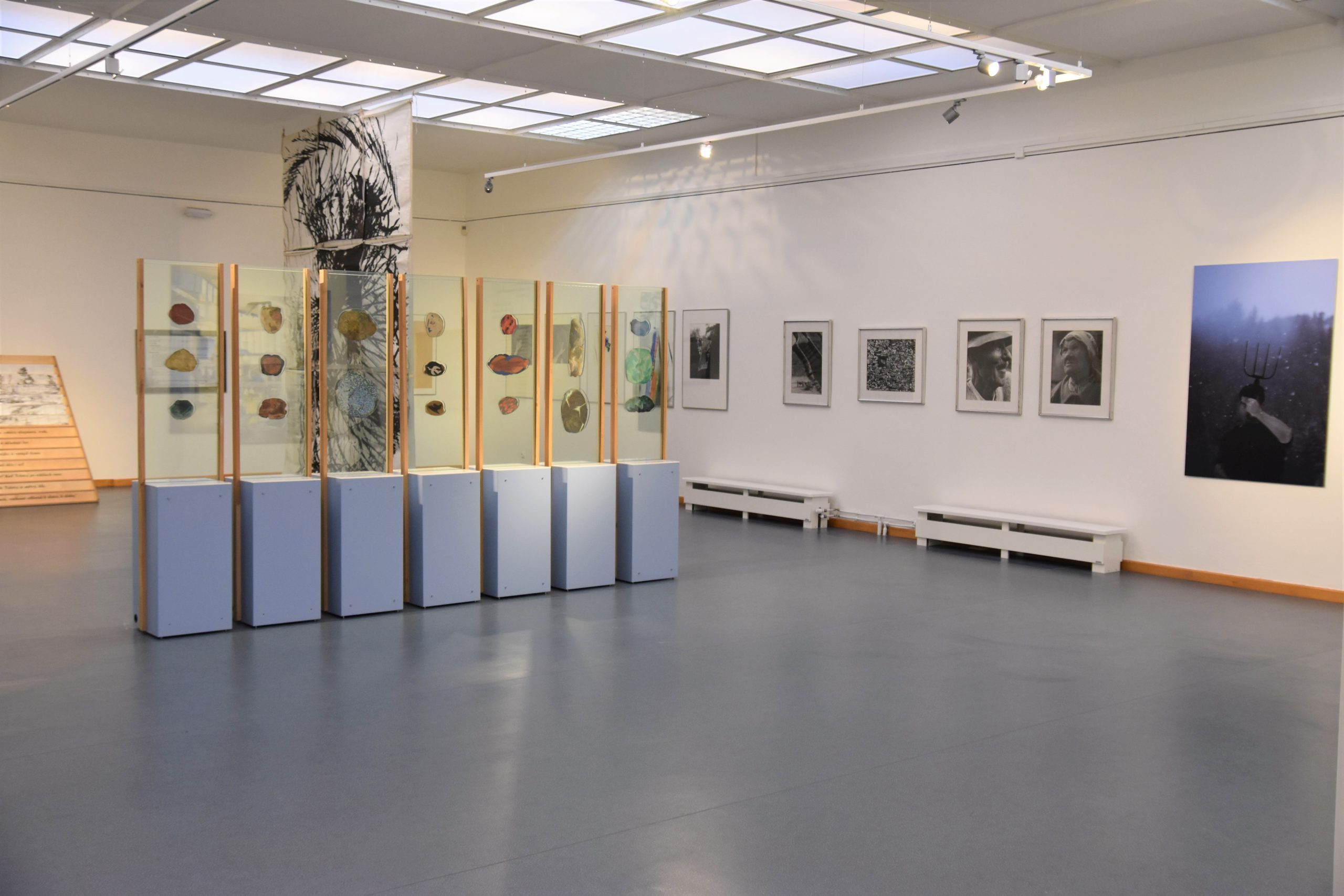
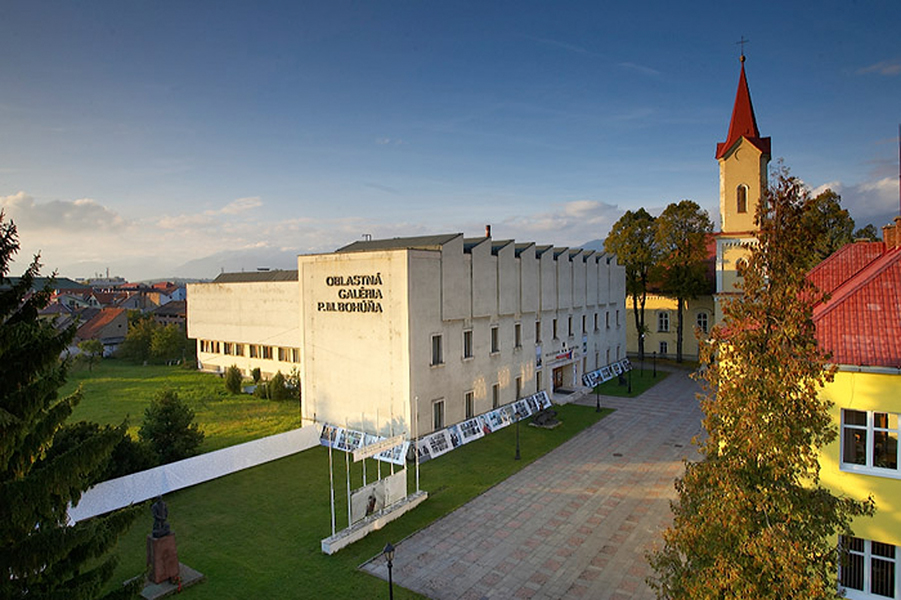
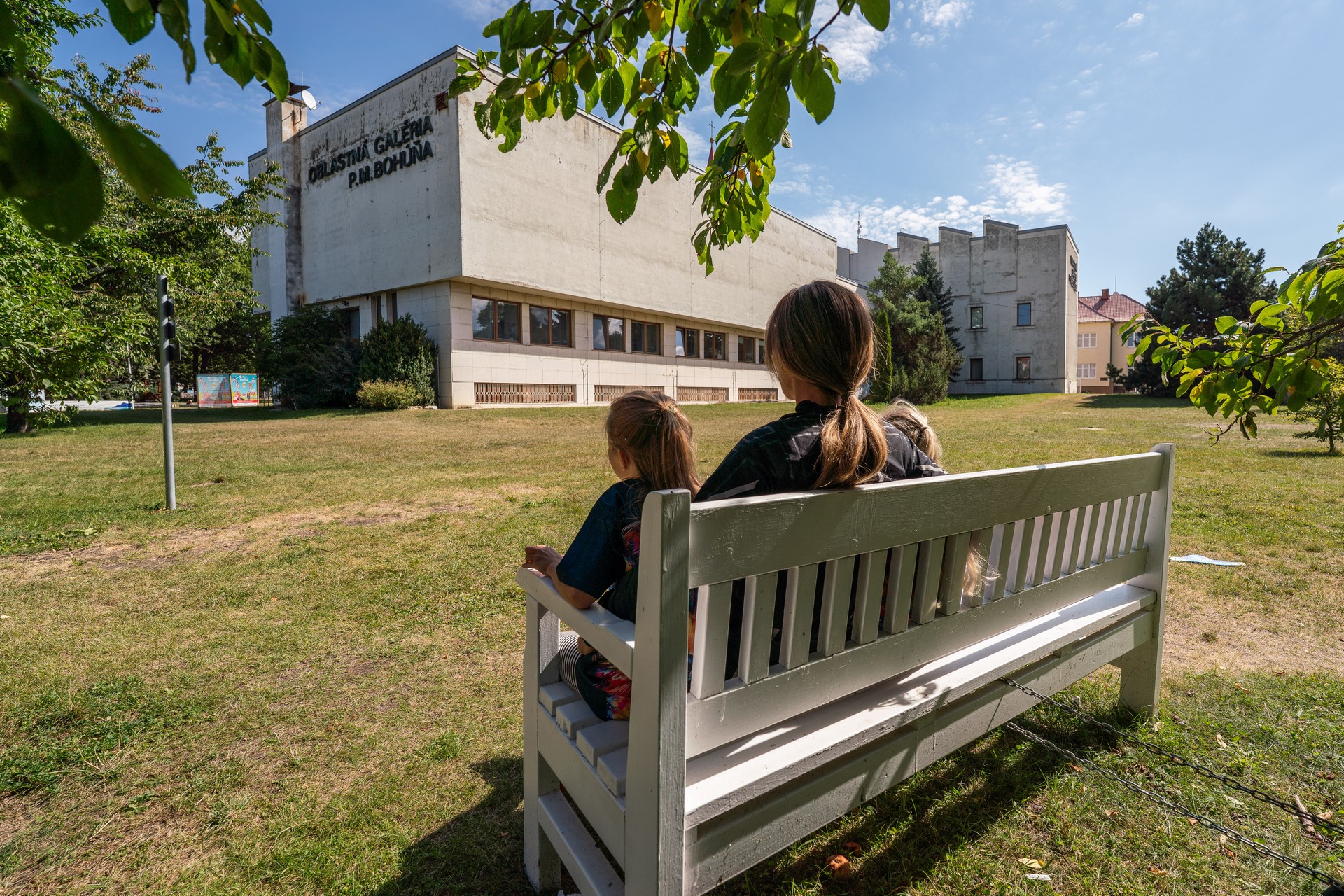
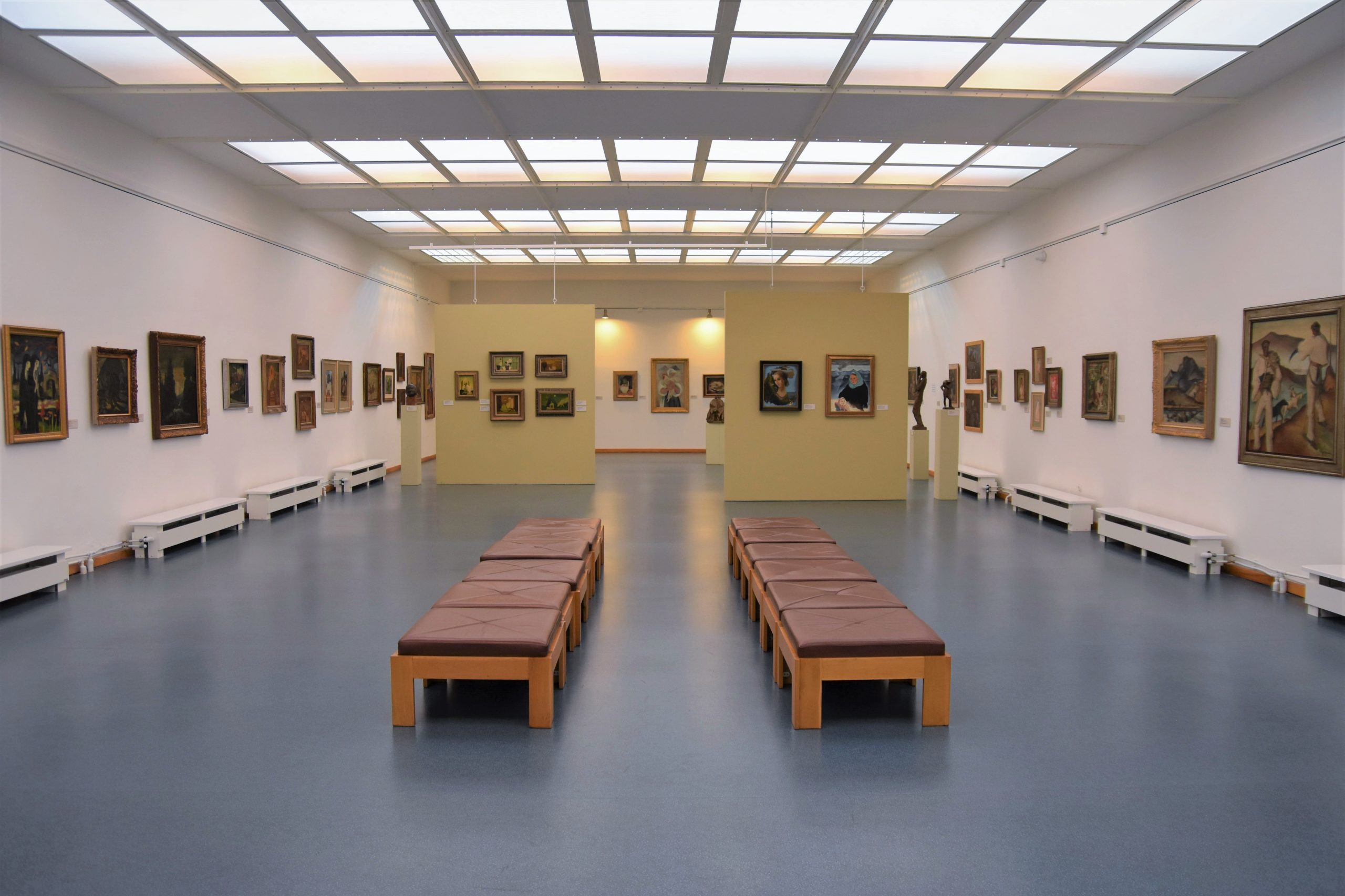
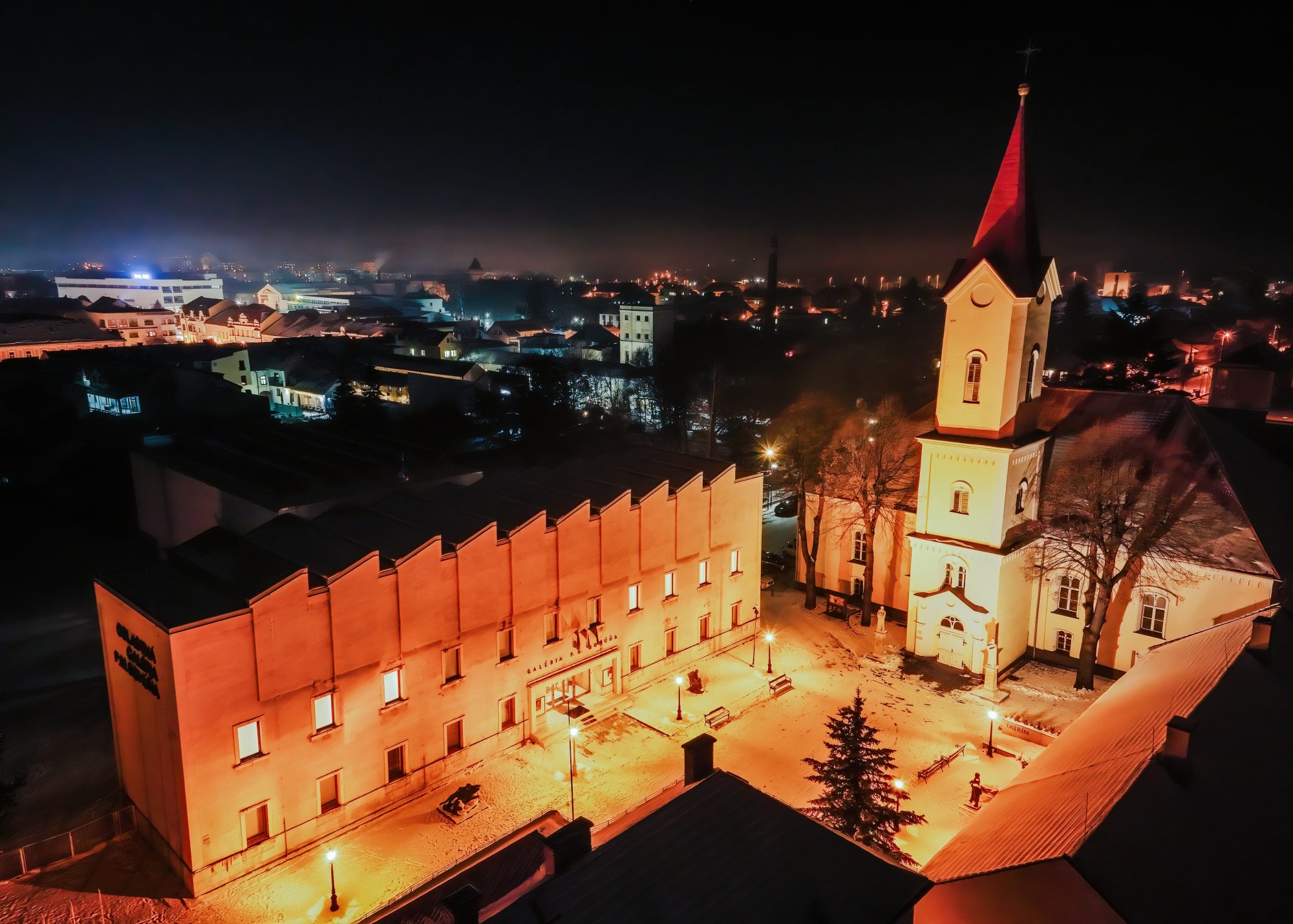
The Peter Michal Bohúň Gallery in Liptov is the third-oldest gallery in Slovakia and home to the largest exhibition hall of any such venue in the country.
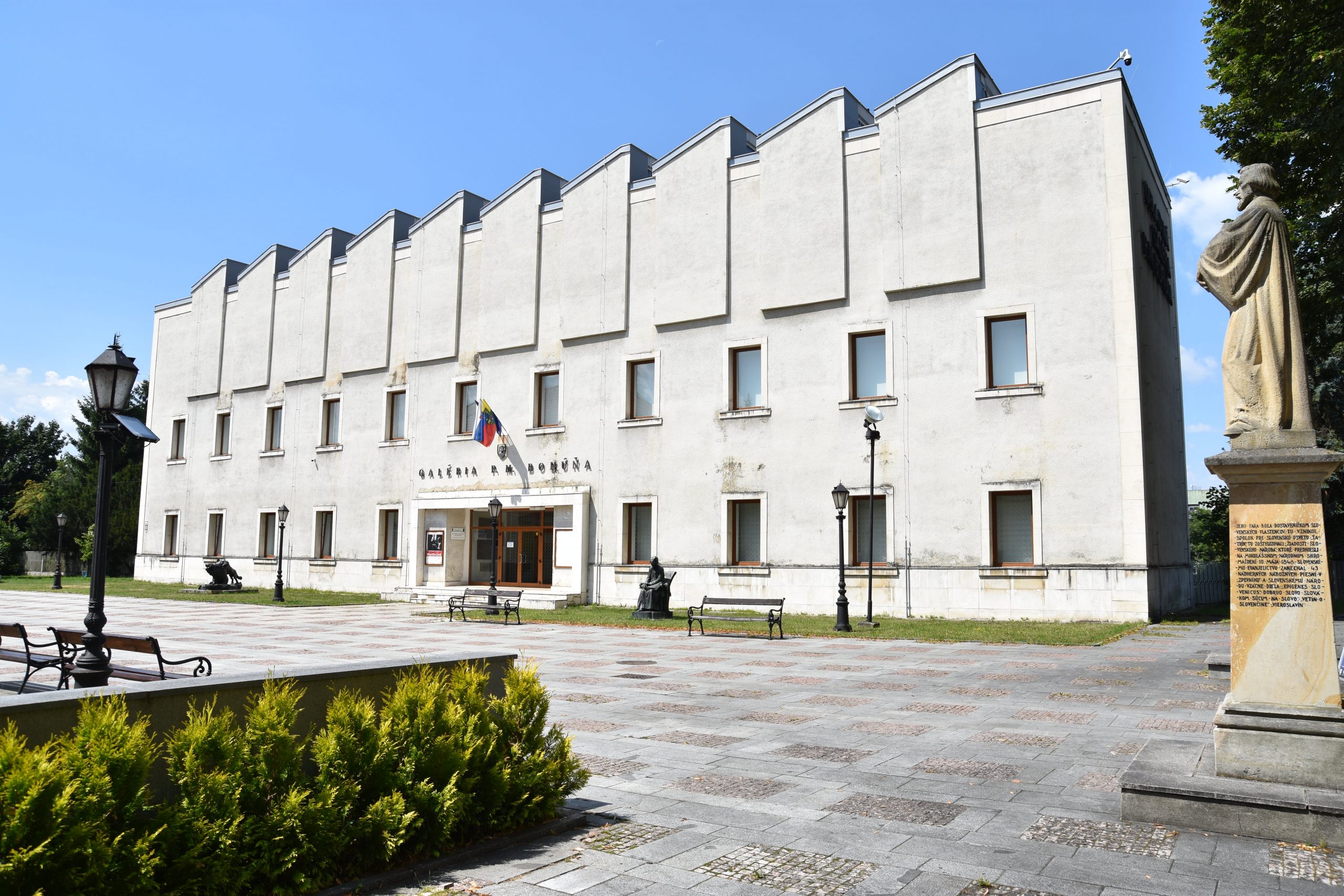
Its collections include more than 5,500 works of art. Founded in 1955, the gallery is housed in a building dating from the late 18th century, originally built to provide students with a Lutheran education. Between 1854 and 1865, the painter Peter Michal Bohúň – a leading figure of the Slovak national revival and a key name in 19th-century Slovak art – worked here as a teacher. The building took on its present modern appearance in the 1970s. Today, visitors can explore four permanent exhibitions, alongside a large exhibition hall that regularly hosts major exhibitions, from theme-based and group shows to solo presentations.
The Origins of Painting
The Origins of Painting – Paintings, Icons, and Sculptures from the 15th to 19th Centuries is an exhibition showcasing some of the oldest treasures in the Peter Michal Bohúň Gallery’s collections. It traces the early development of painting, icon painting, and sculpture, offering visitors a glimpse into the beginnings of artistic creation in the region. Highlights include winged altarpieces, paintings on wood, icons, free-standing sculptures of saints, and oil paintings, gathered over many years by the gallery’s curators.
The Bohúň Hall
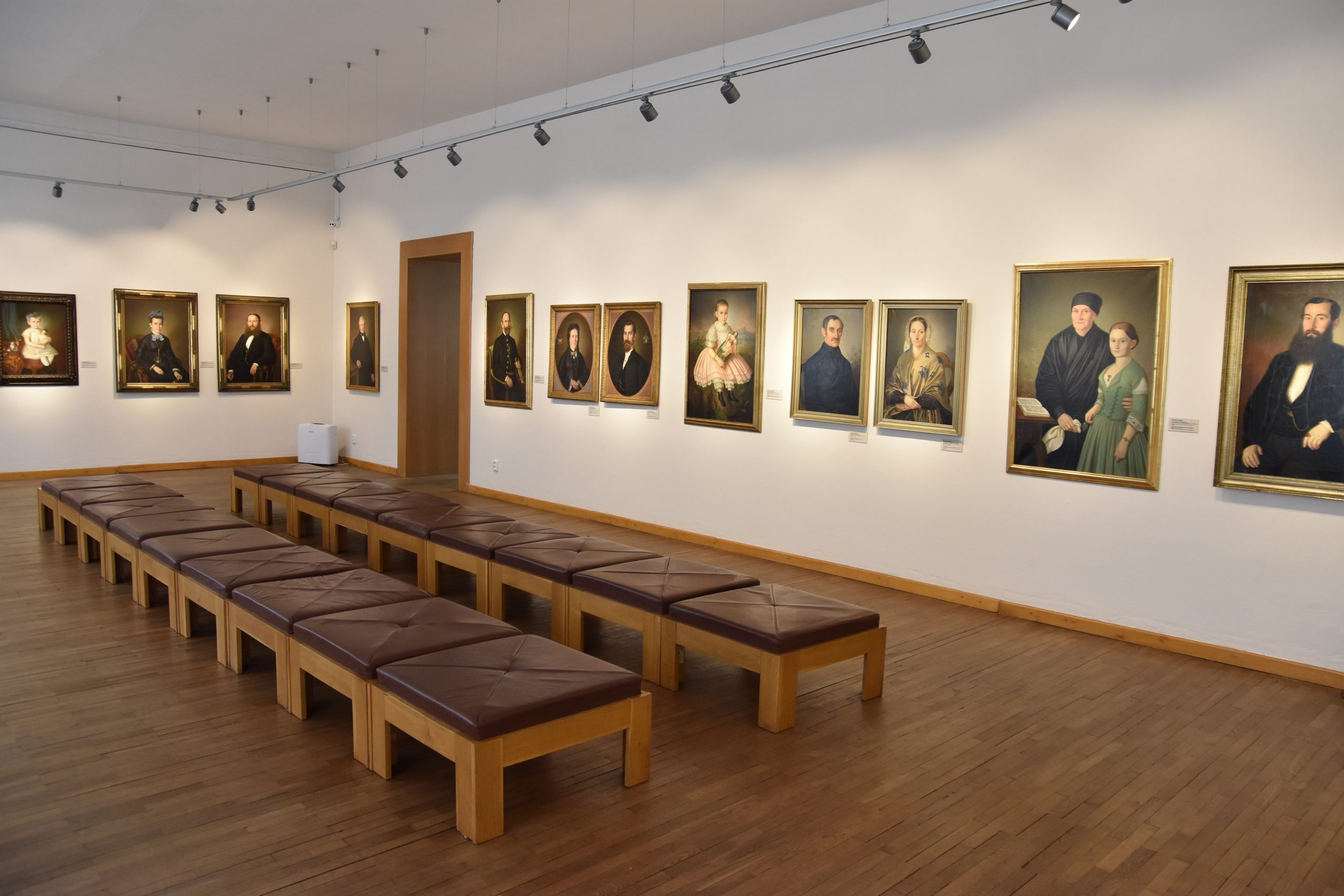
This gallery space is dedicated to Peter Michal Bohúň (1822–1879), after whom the gallery is named. Bohúň painted portraits of townspeople and figures of the Slovak national revival, as well as altar paintings. He also worked with lithography and photography. A pioneer of realist portrait painting in Slovakia, his works are known for their calm composition, harmonious colour, and meticulous attention to detail. The permanent display features 32 of his works, mainly portraits that capture the spirit of their time.
Slovak fine art
Visitors interested in modern art should not miss the exhibition Modernism – The 20th Century, devoted to Slovak fine art of the early 20th century. The exhibition traces the development of Slovak painting in the first half of the 20th century, presenting the founding generation of modern Slovak art. Their work often draws inspiration from rural life, later expanding to urban scenes and more intimate subjects. Among the artists represented are painters influenced by Art Nouveau, Symbolism, and Expressionism – including Zolo Palugyay, Anton Jasusch, and Edmund Gwerk – alongside artists connected to European modernism, such as Ľudovít Fulla, Mikuláš Galanda, and I. Weiner Kráľ. Works by members of the so-called Generation 1909, including Ján Mudroch, Ján Želibský, Ladislav Čemický, and Ester Šimerová-Martinčeková, are also on display.
Liptov: Home and Exile
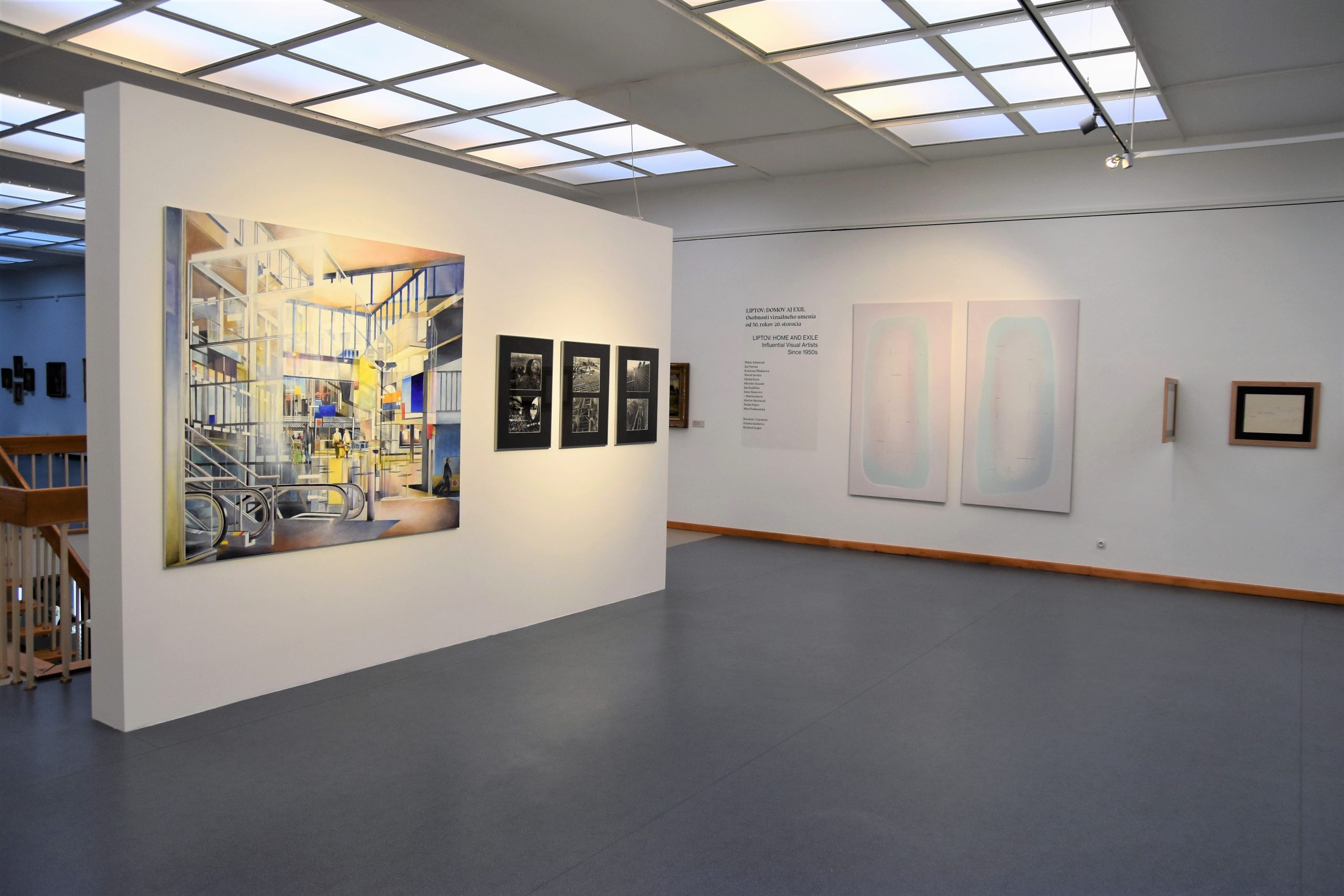
This presents works by artists from the 1950s to the present day whose lives and artistic careers are closely connected with the Liptov region – whether they were born here or created their work here. The display includes works by Ester Šimerová-Martinčeková, Martin Martinček, Miroslav Ksandr, Michal Kern, Milan Adamčiak, Ján Kudlička, Mira Podmanická, Katarína Hládeková, Štefan Papčo, Marek Jarotta, and Ján Ďurina. Their significance of their work reaches beyond the borders of the region and Slovakia.
Stars of the Gallery
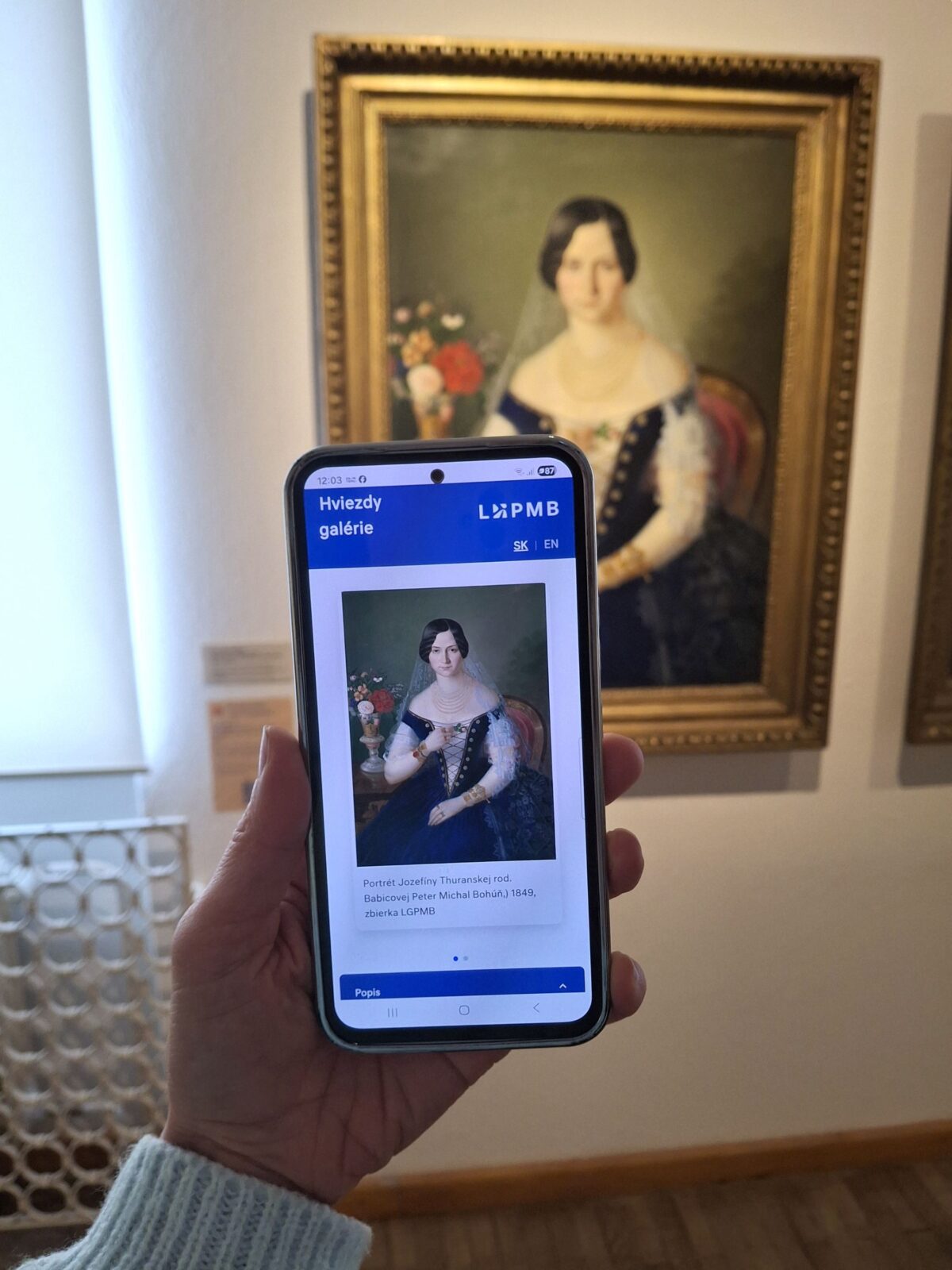
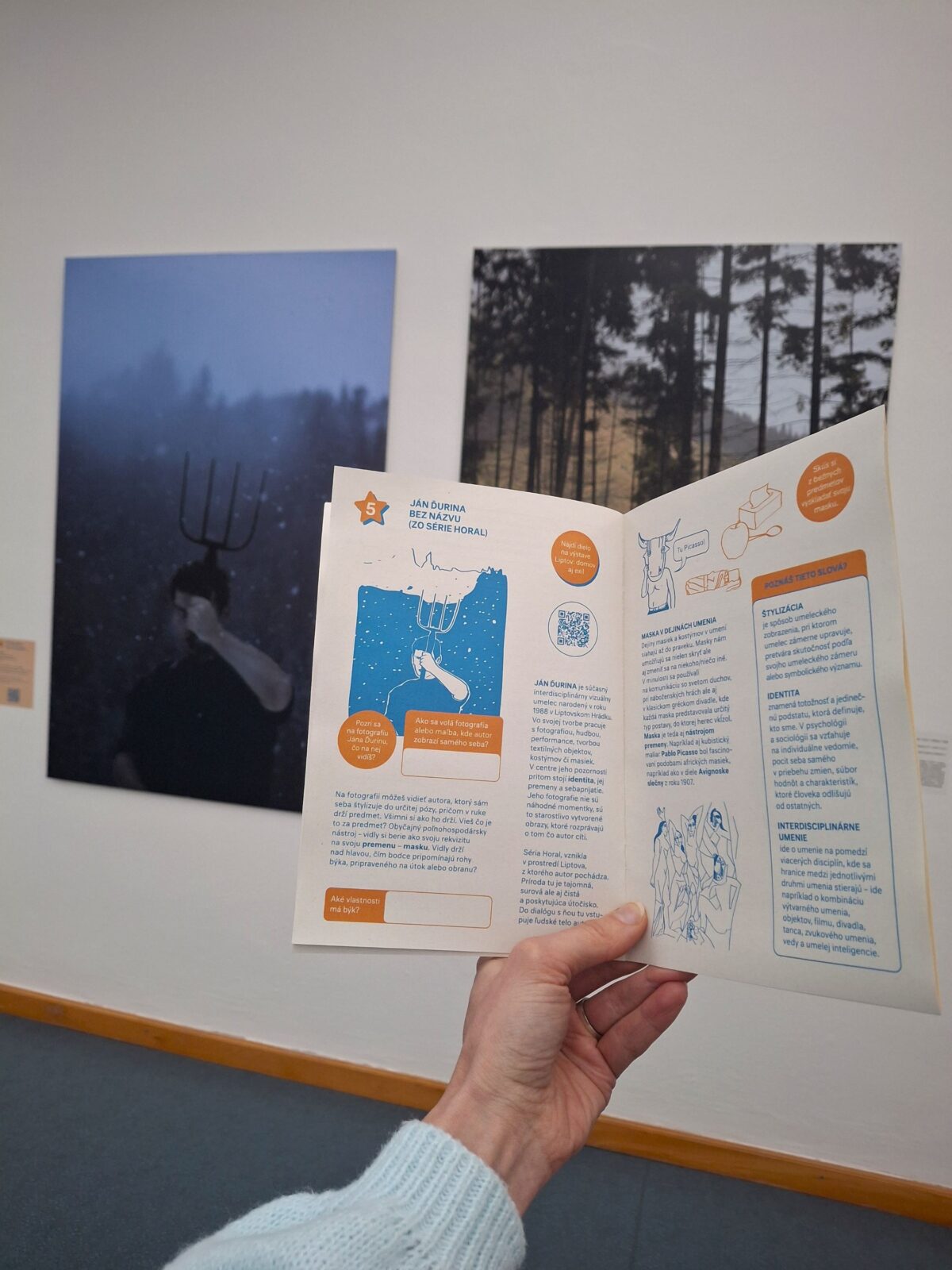
Liptov P.M. Bohúň Gallery has launched a new long-term educational project entitled Stars of the Gallery. Its aim is to open up cultural heritage to a wide audience in a playful, accessible way. The project offers a rich programme of educational activities for children, students, and adults alike. At its heart are the “stars” – six carefully selected works from the permanent exhibitions of Liptov P.M. Bohúň Gallery. Chosen by the gallery’s in-house curators as the most significant or most impressive pieces in the collection, these works also trace the development of fine art in Slovakia.
The project is built around two main strands. Younger visitors can use standalone workbooks that encourage active, hands-on discovery of the artworks. Students and adults can explore an online platform accessed via a QR code directly in the exhibition, offering extended information and video content for each work. All activities are designed to be completed independently, with no need to book a session with a gallery educator.
Please describe your experience