
Guide to the village of Lúčky and Lúčky Spa: what to see, where to go, and tips for your stay in Liptov
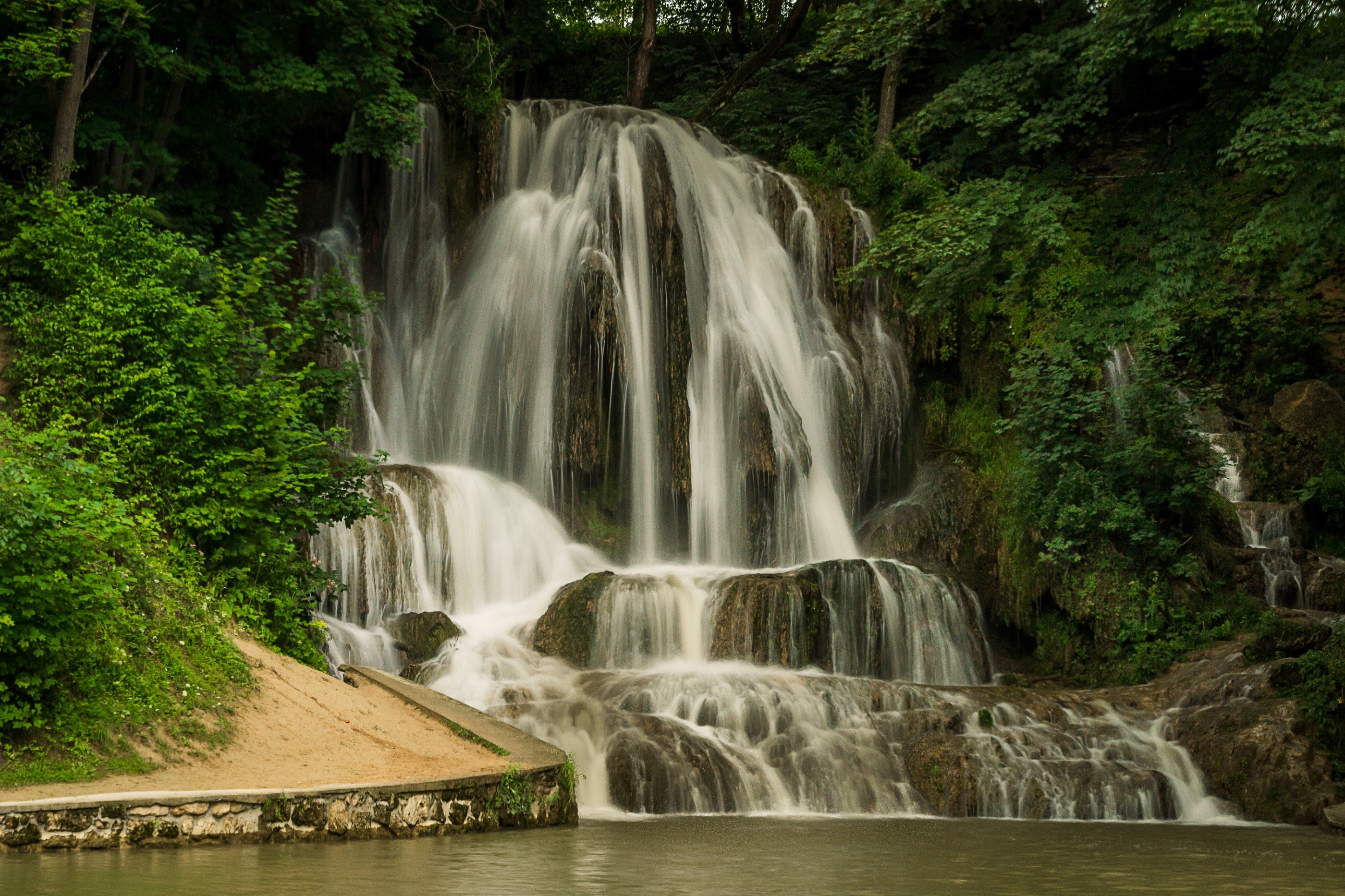
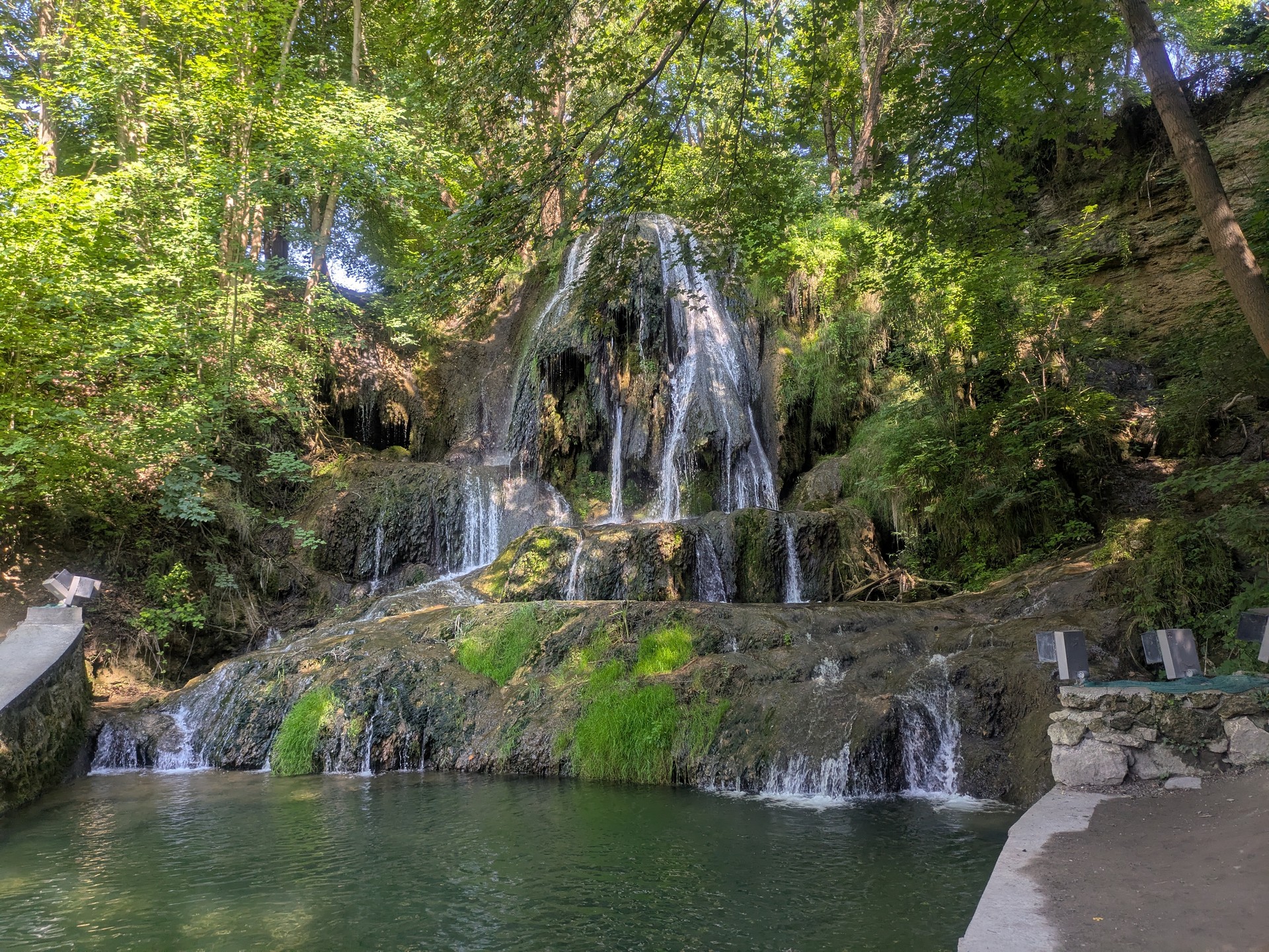
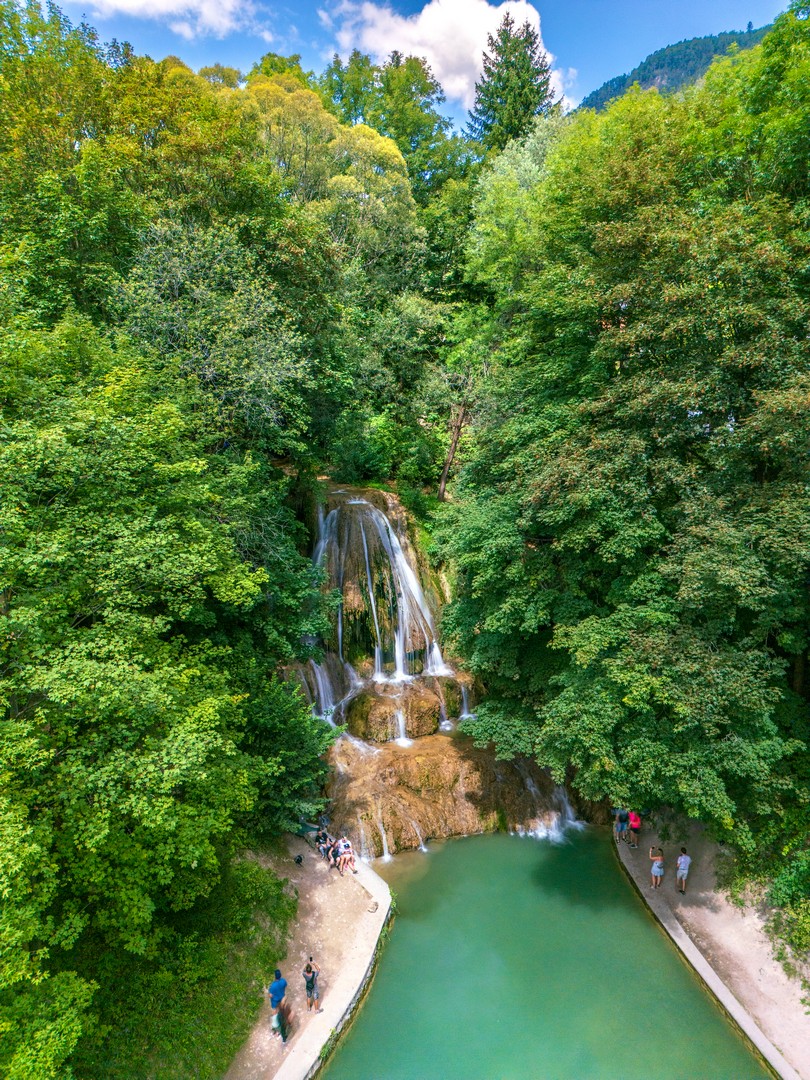
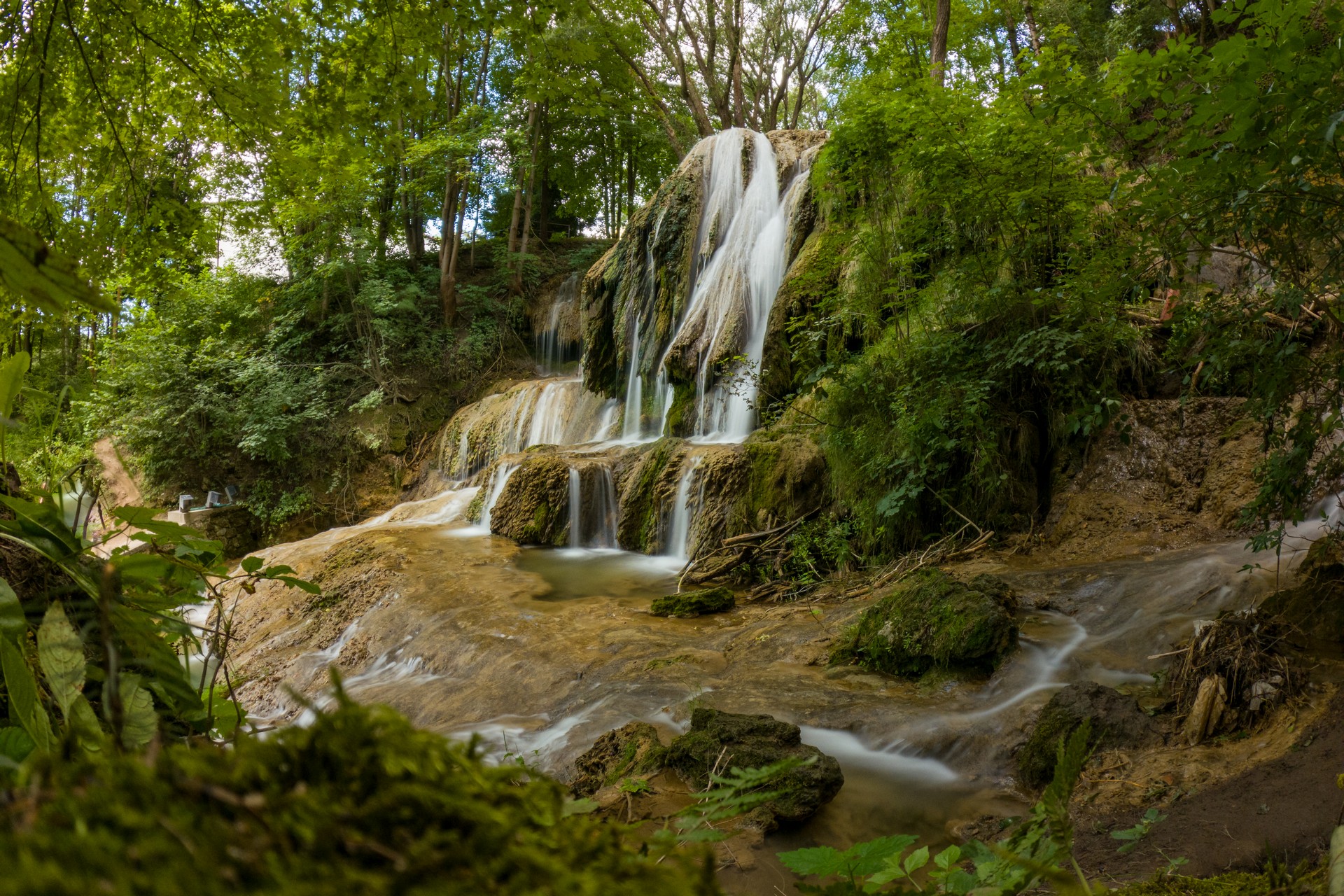
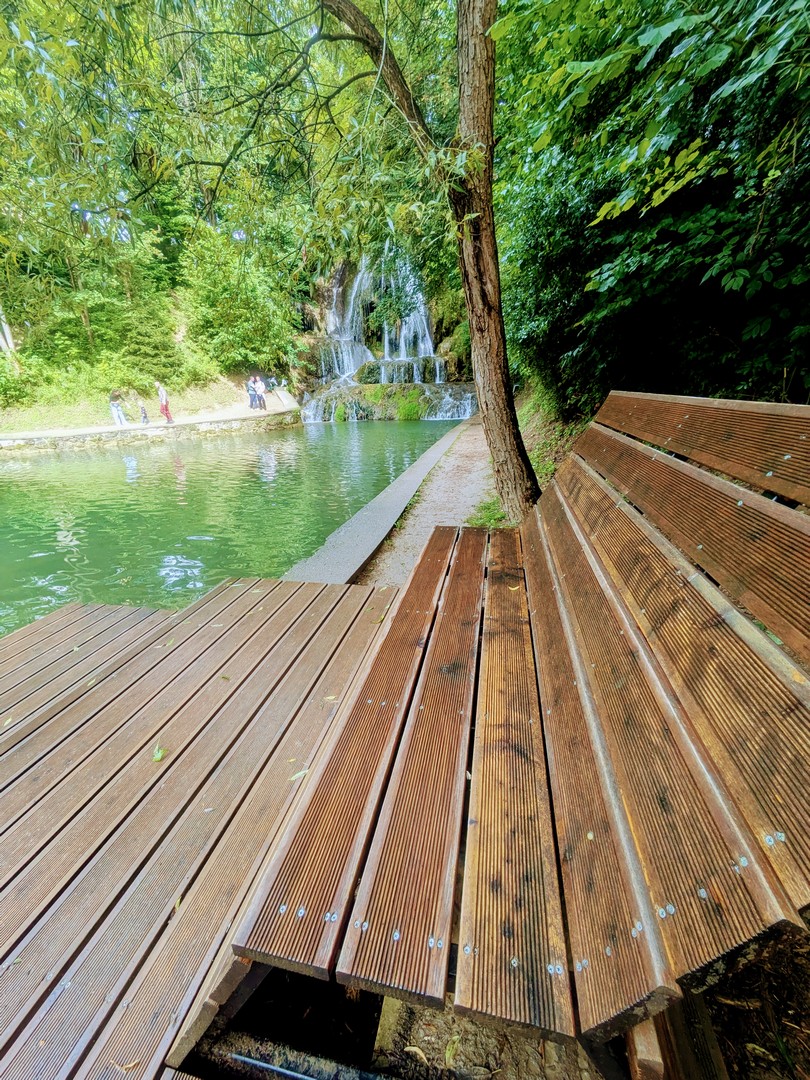
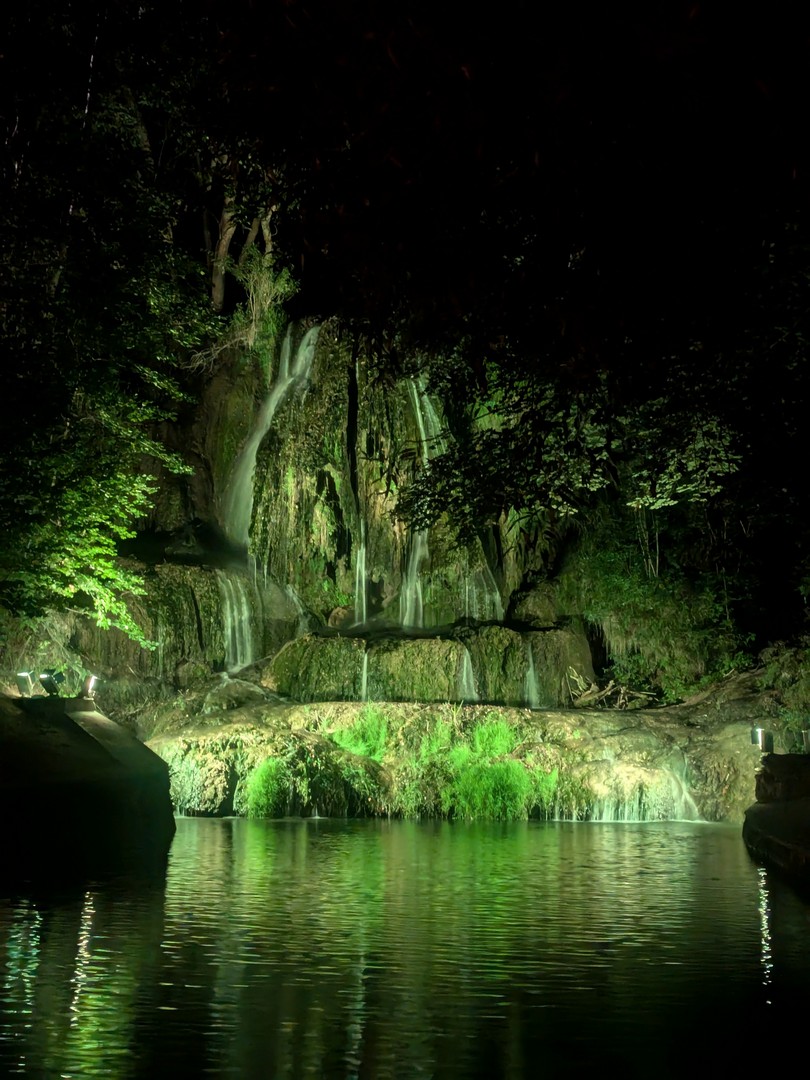
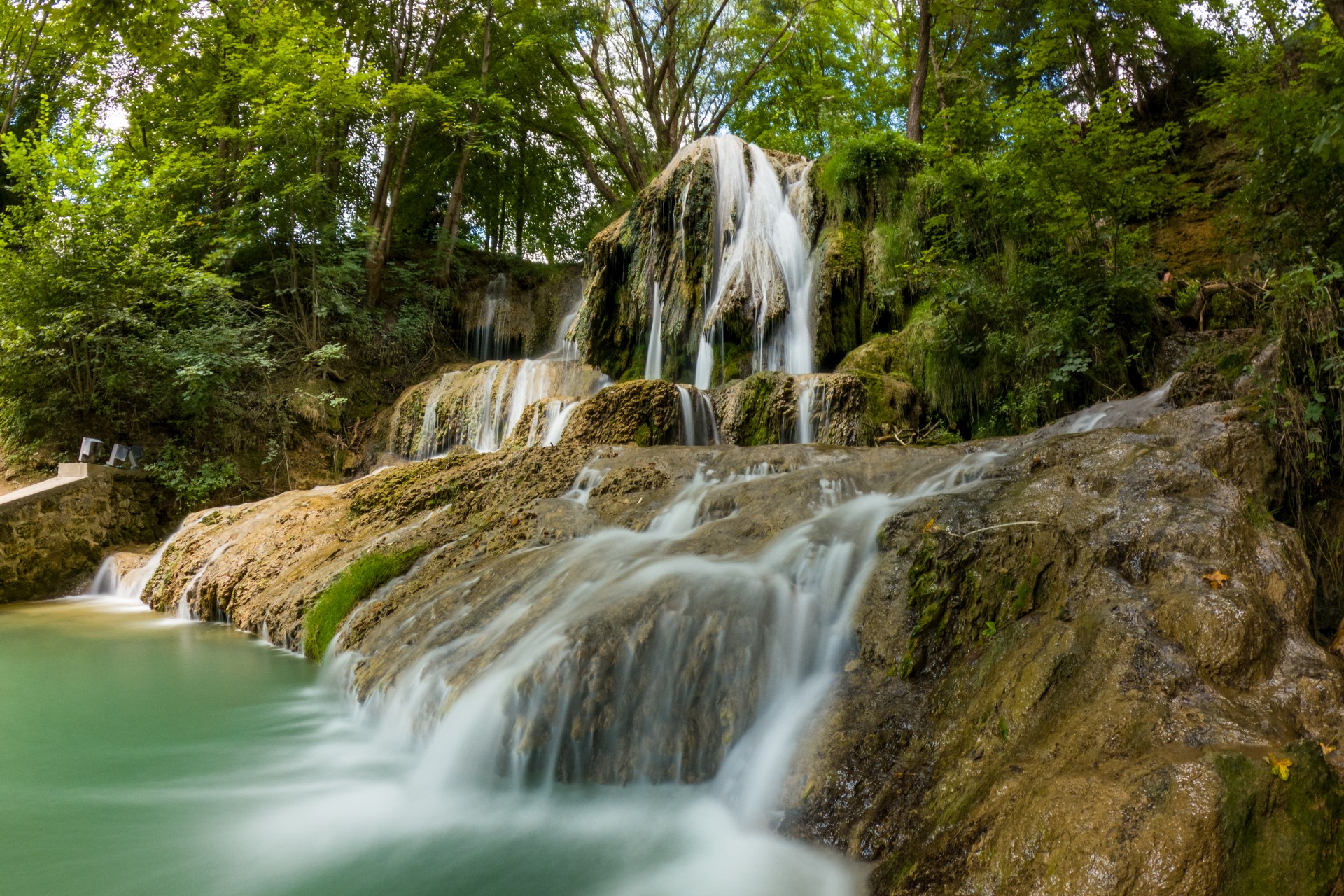
The village of Lúčky has been known for its thermal springs for more than 300 years. This water refreshes body and soul, helping to restore health and strength. The village is also home to another unique attraction: the 12-metre-high Lúčanský Waterfall, which visitors can admire right in the centre of Lúčky. You might think that would be the full list of local sights, but far from it.
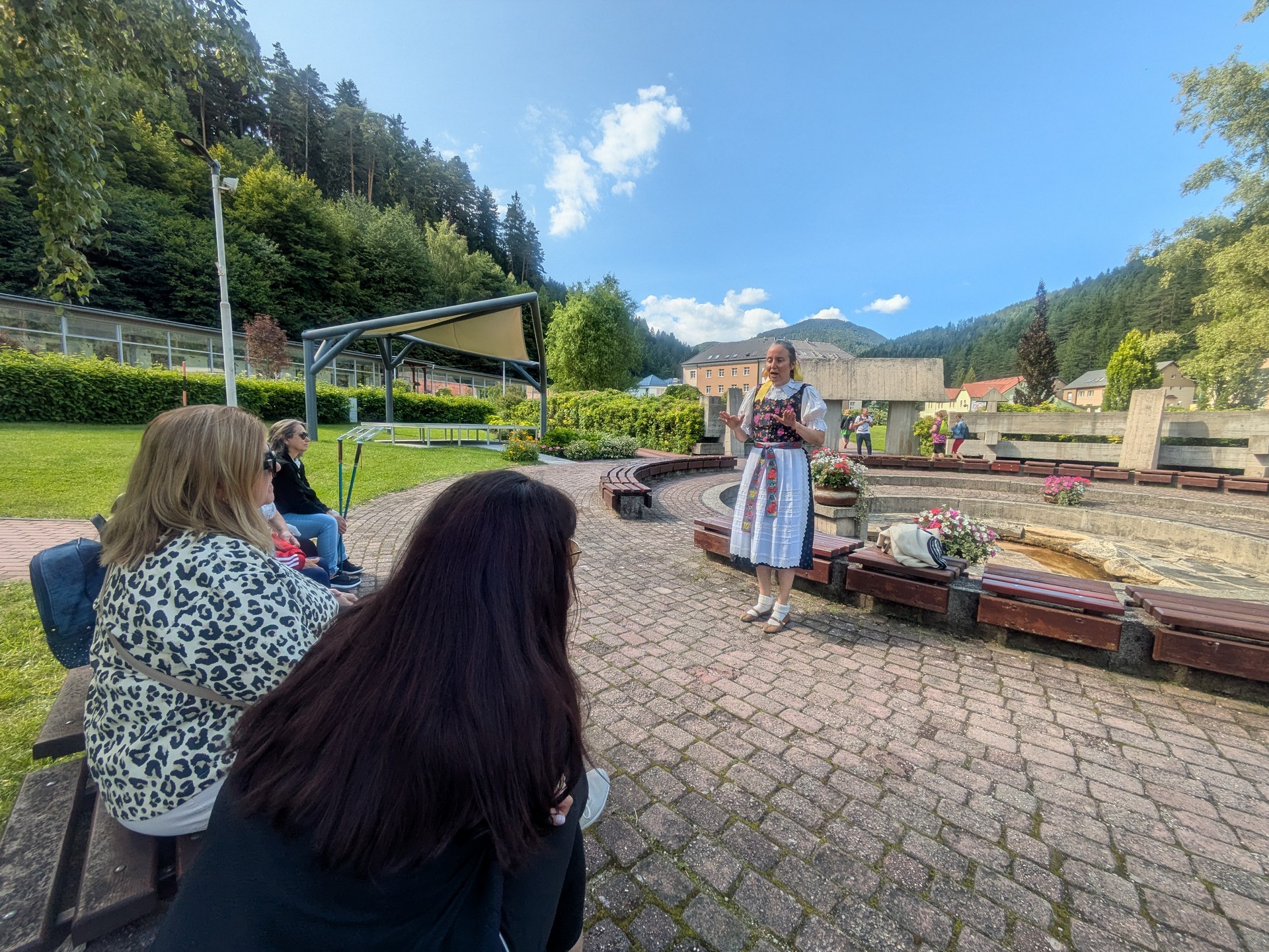
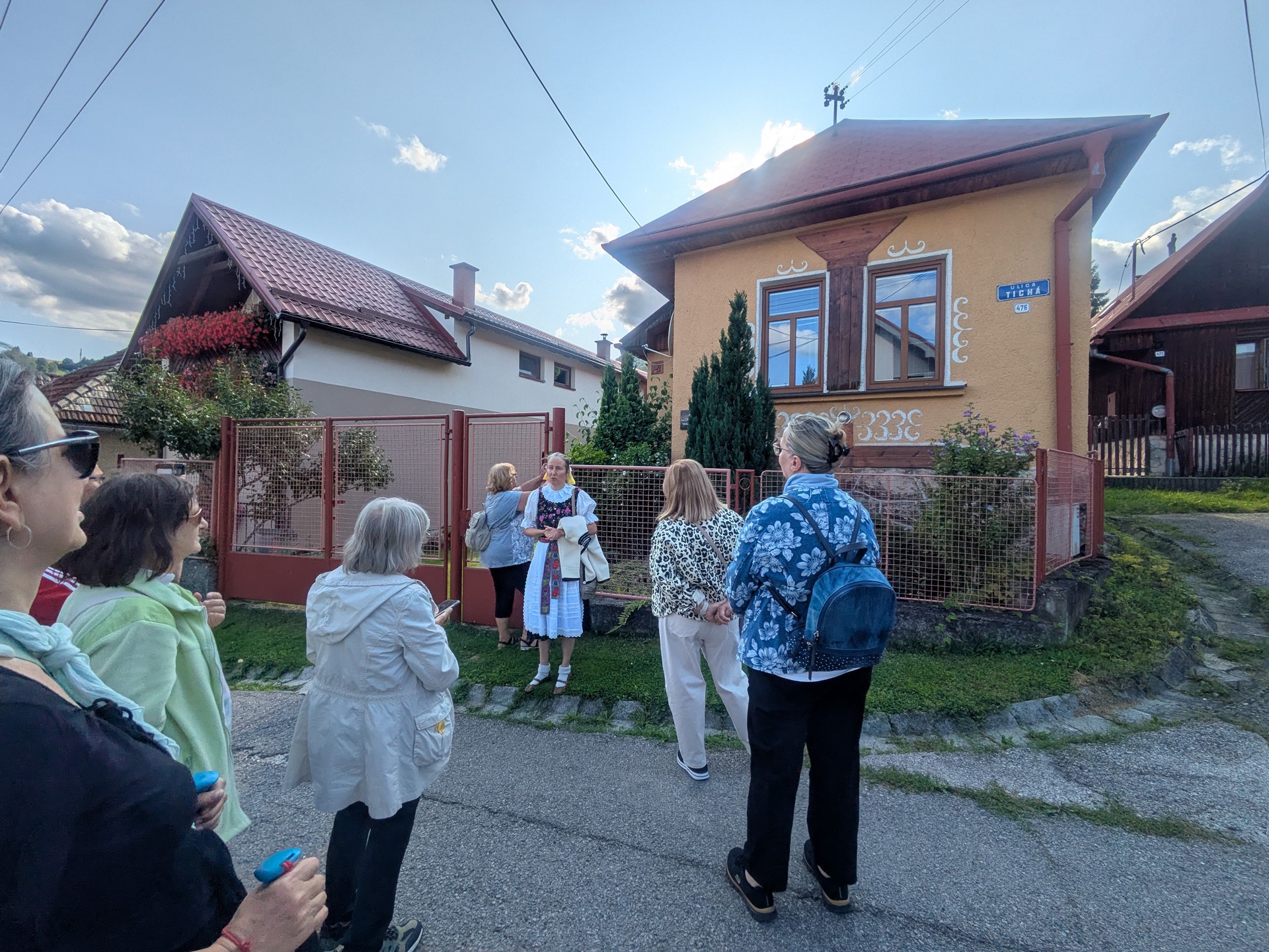
This small village in the heart of Liptov offers visitors a surprisingly rich choice of places to discover, which you can explore all year round with a local guide. During the summer months, the tour is led in traditional Lúčky folk costume and, as well as sharing plenty of interesting information, your guide will also treat you to Liptov folk songs.
Guided tours
Learn something new and discover the beauty of the spa village of Lúčky. Join a tour with a local guide in folk costume, accompanied by Liptov folk songs.
The guided tours offer three routes:
1. Lúčky Spa Route
Duration: 1,5 hour Length: 1 km
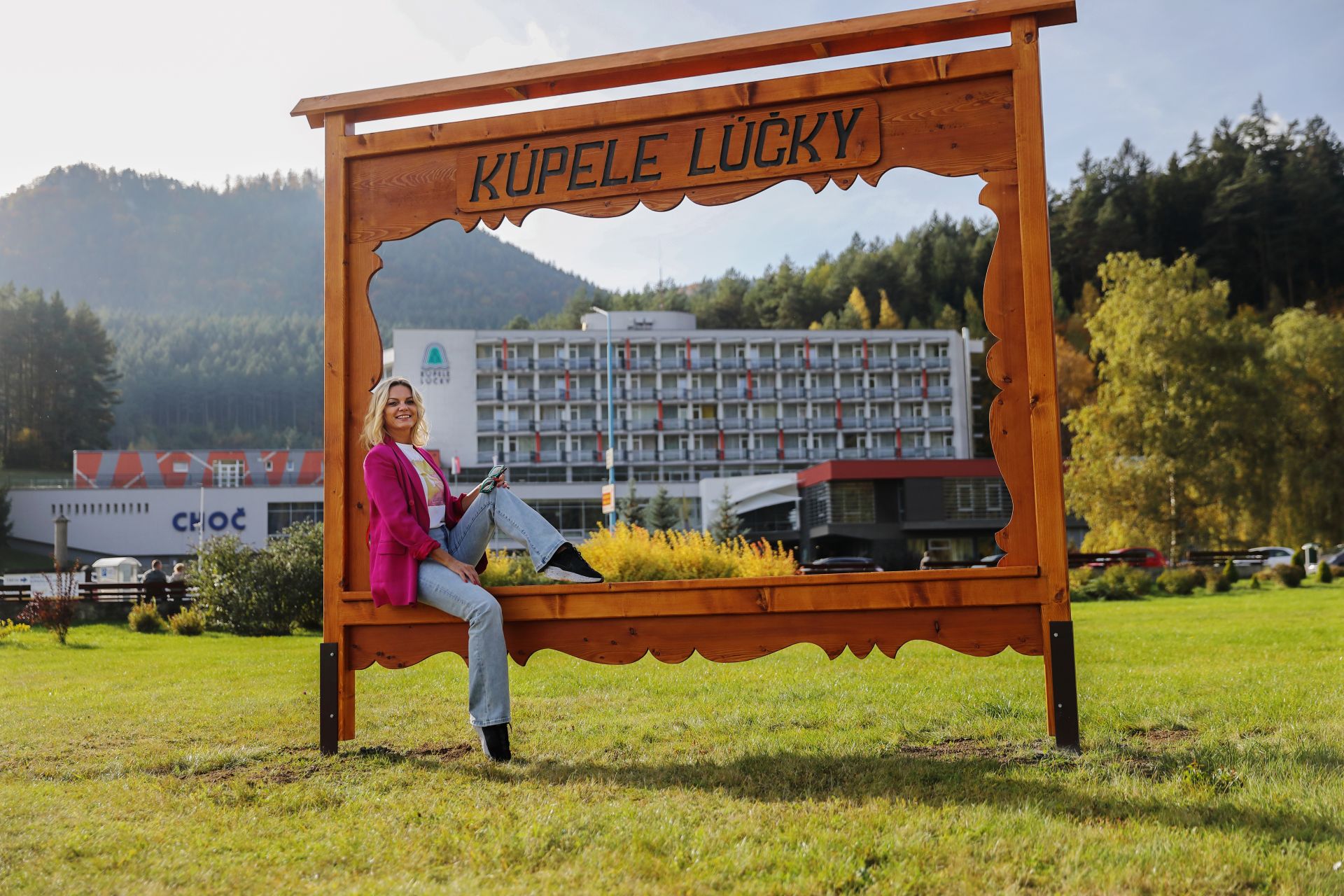
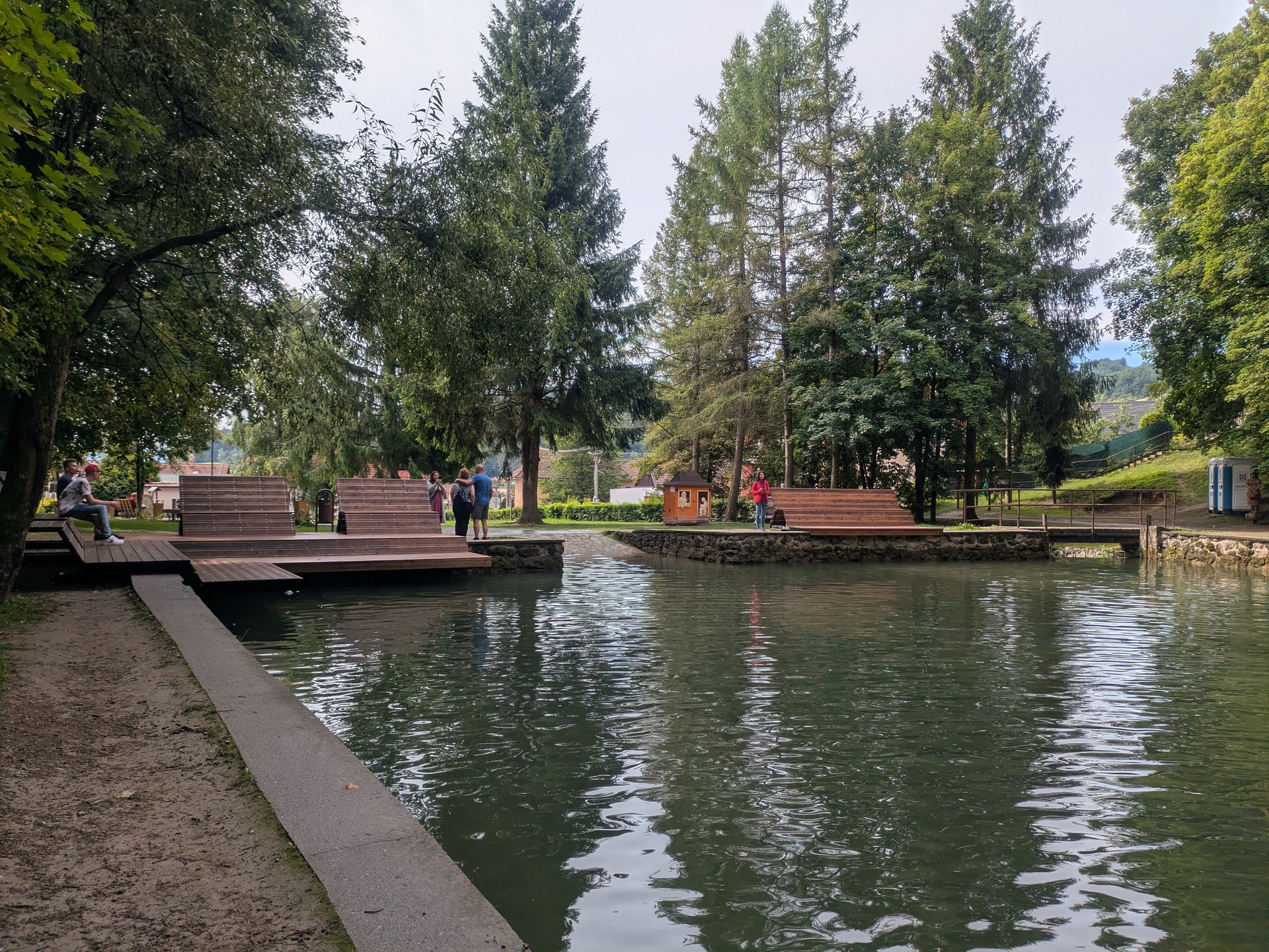
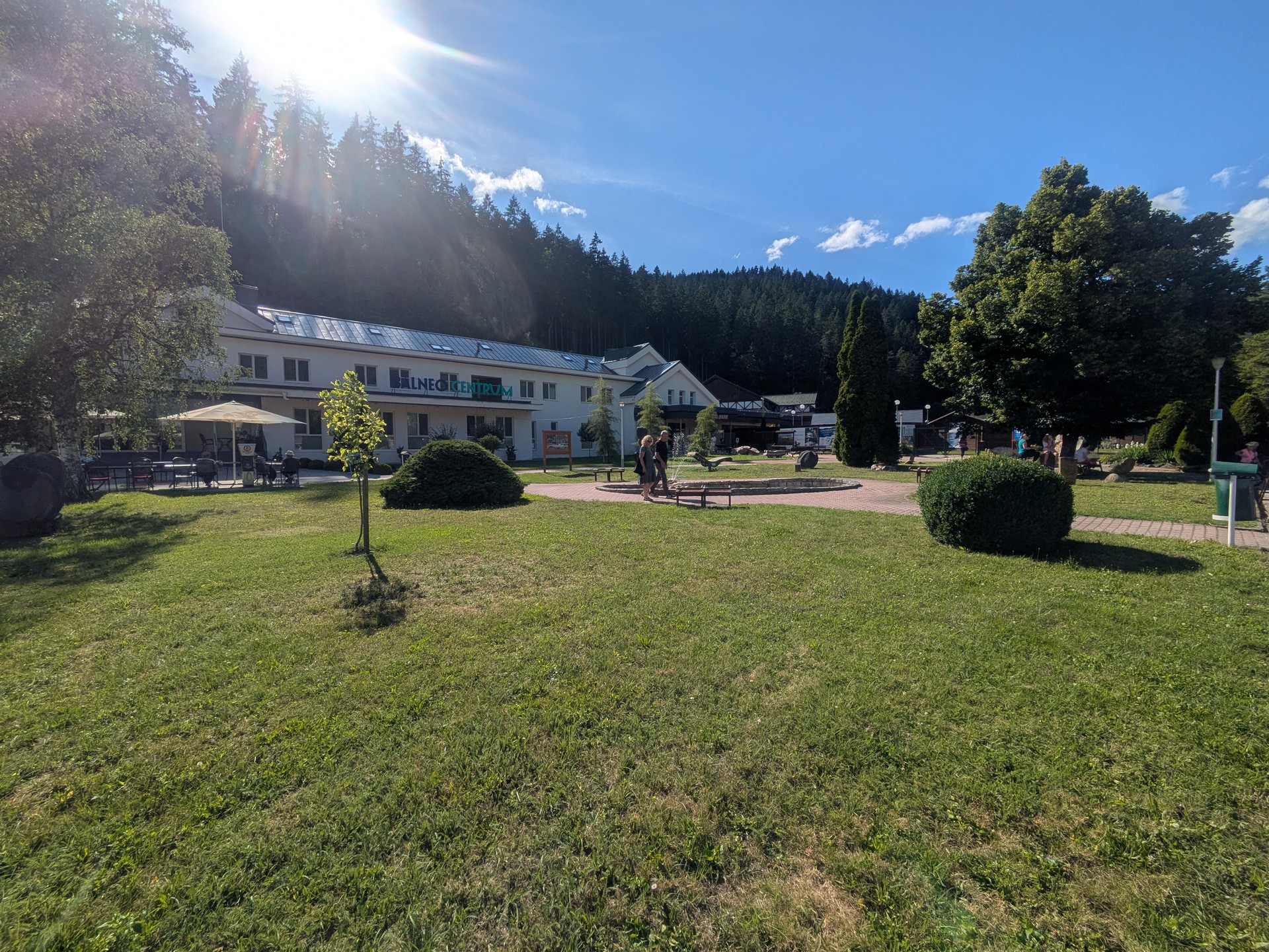
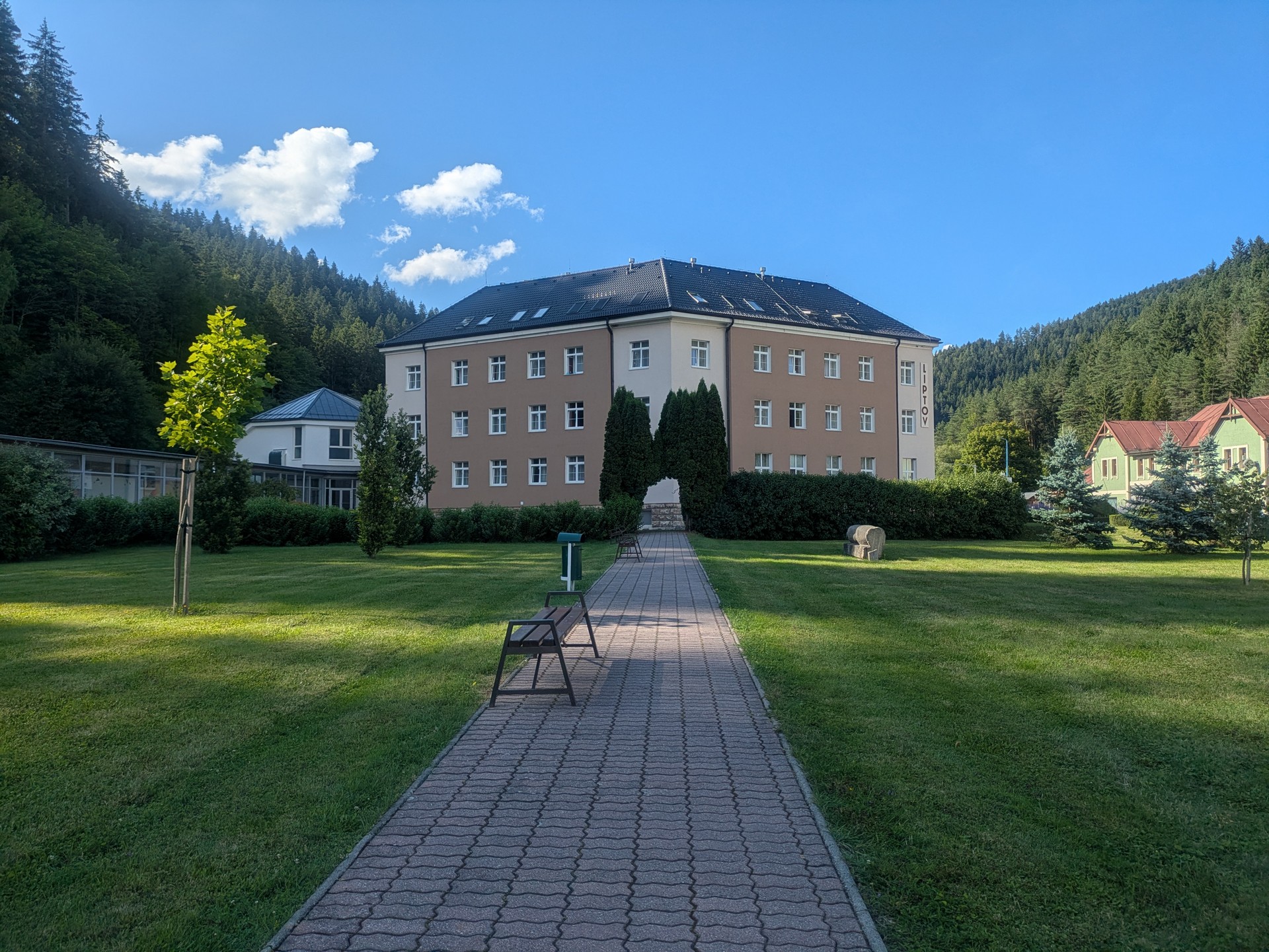
The tour takes in the history of the spa, its famous visitors, and the healing properties local people discovered in the mineral waters. You will explore the spa buildings, learn which are the oldest, and hear the stories behind them. You will also find out who owned the spa and how it changed over the centuries.
2. Lúčky Village Route
Duration: 1,5 hour Length: 1 km
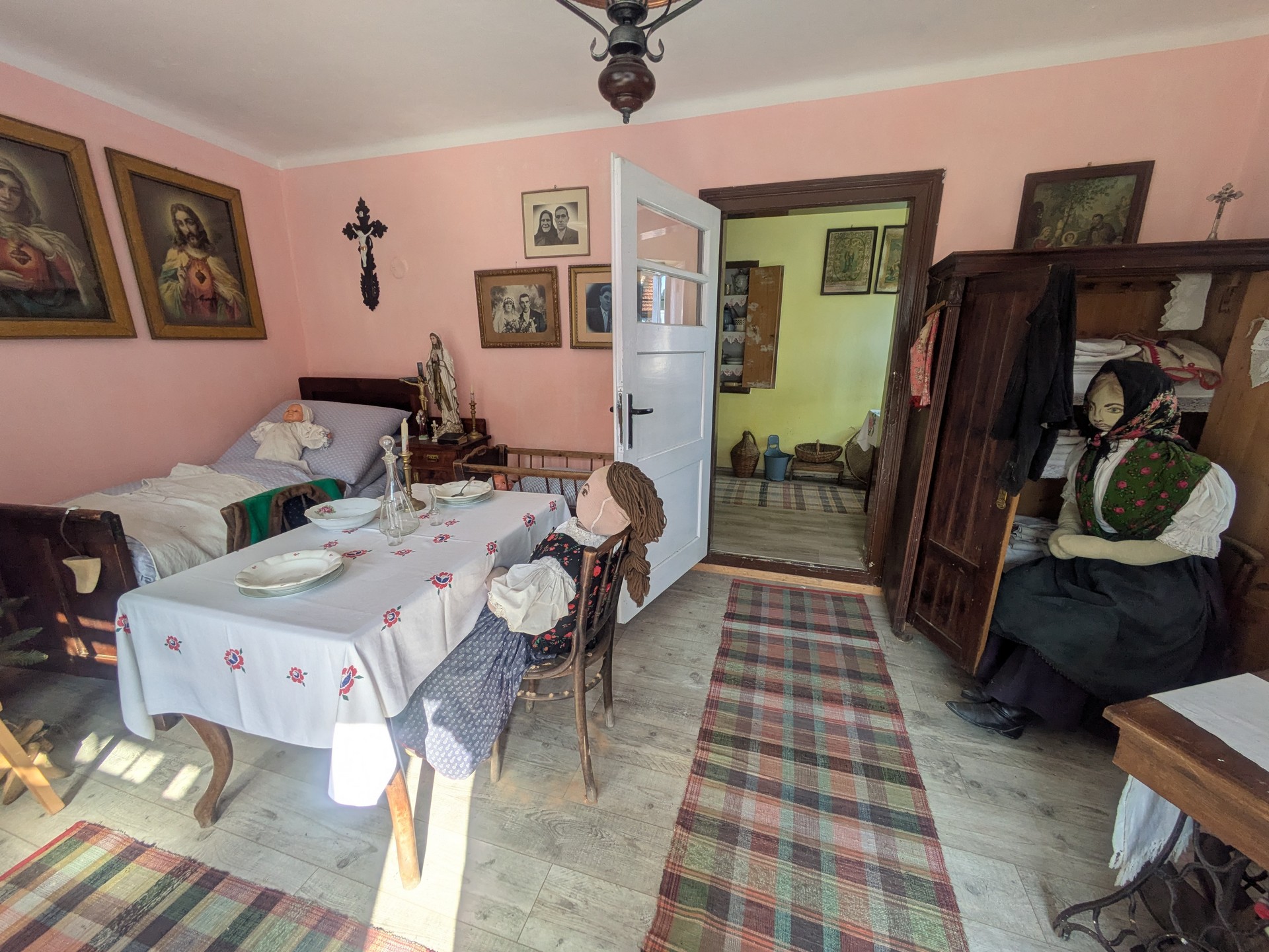
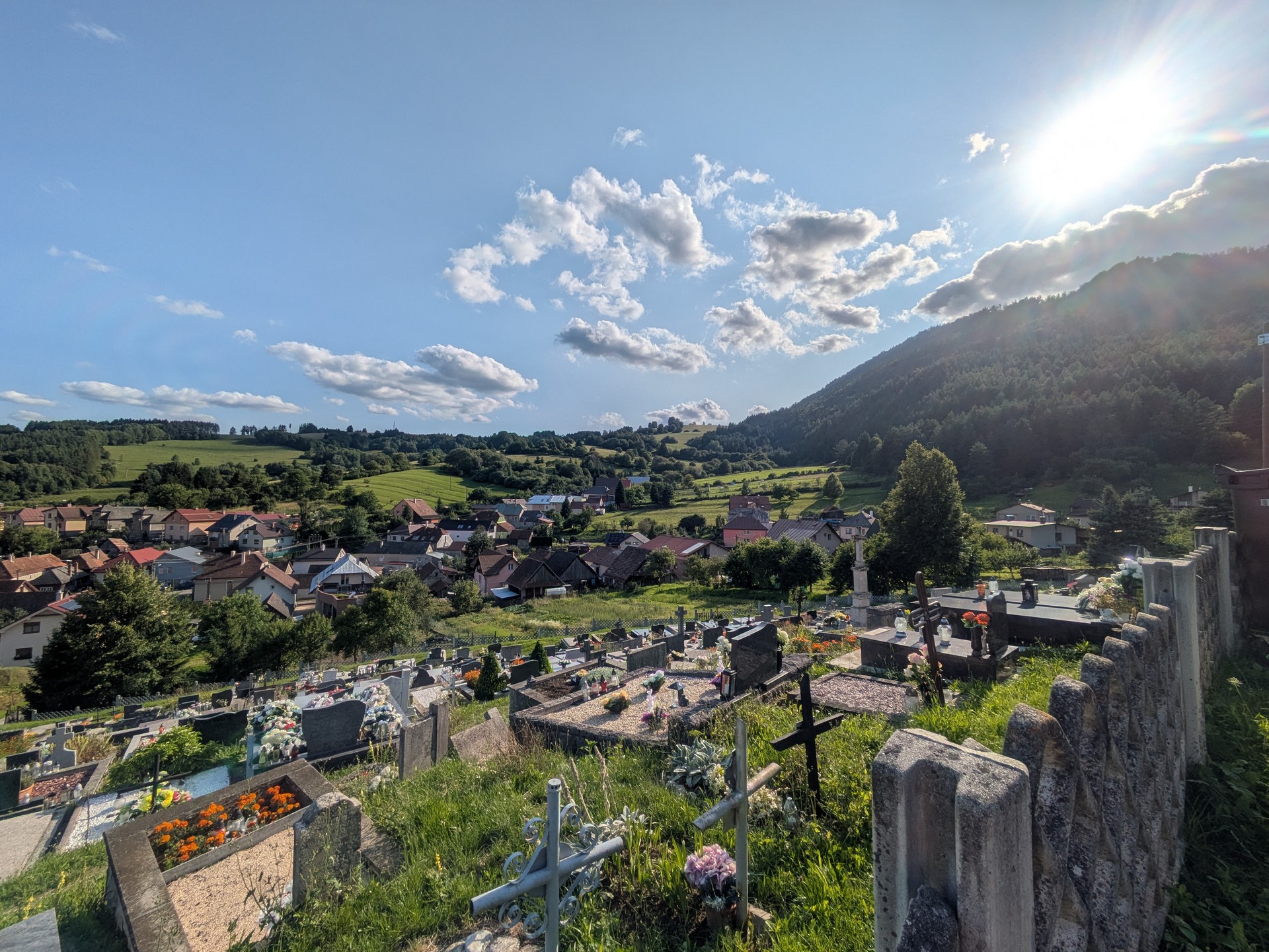
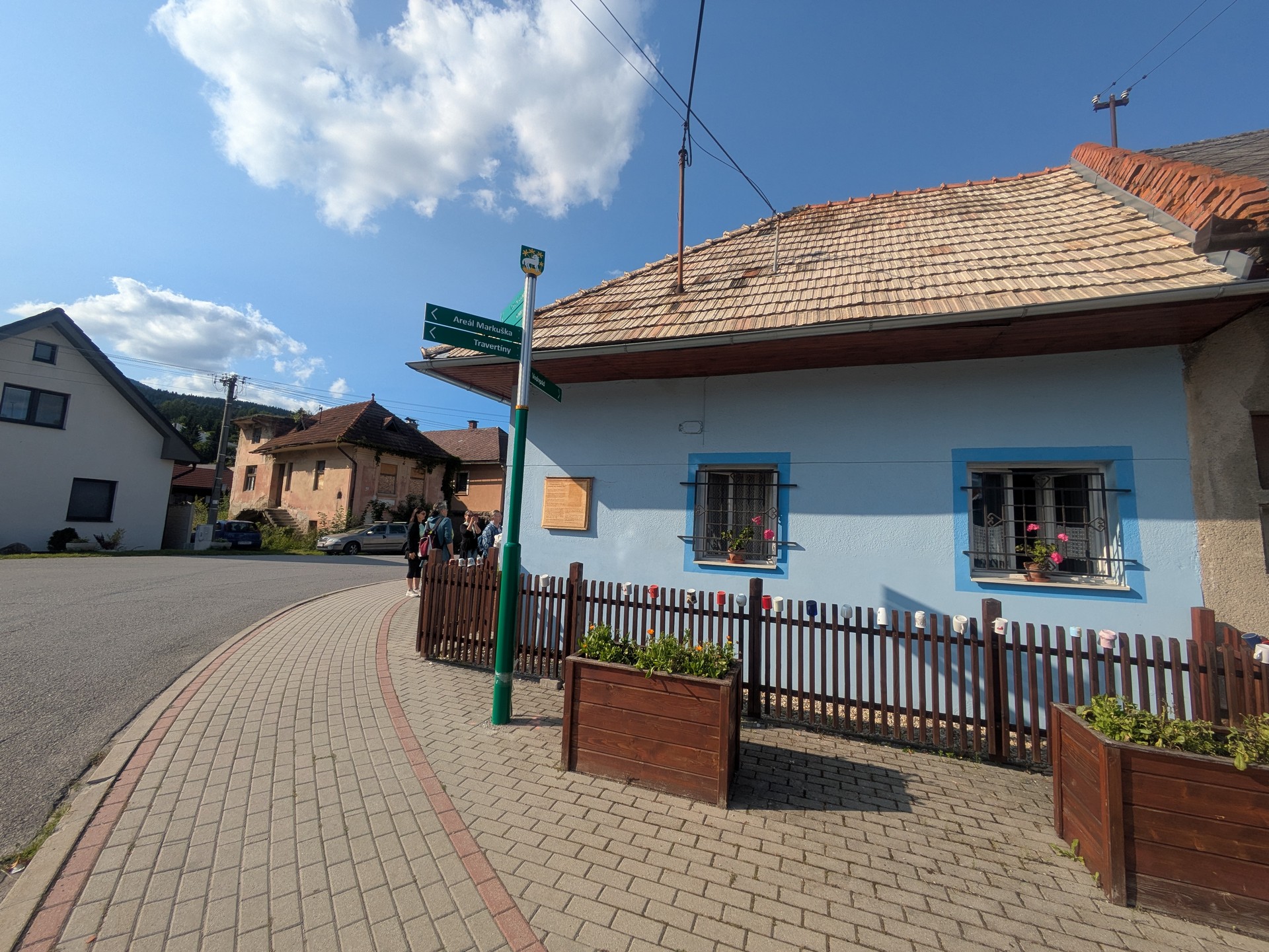
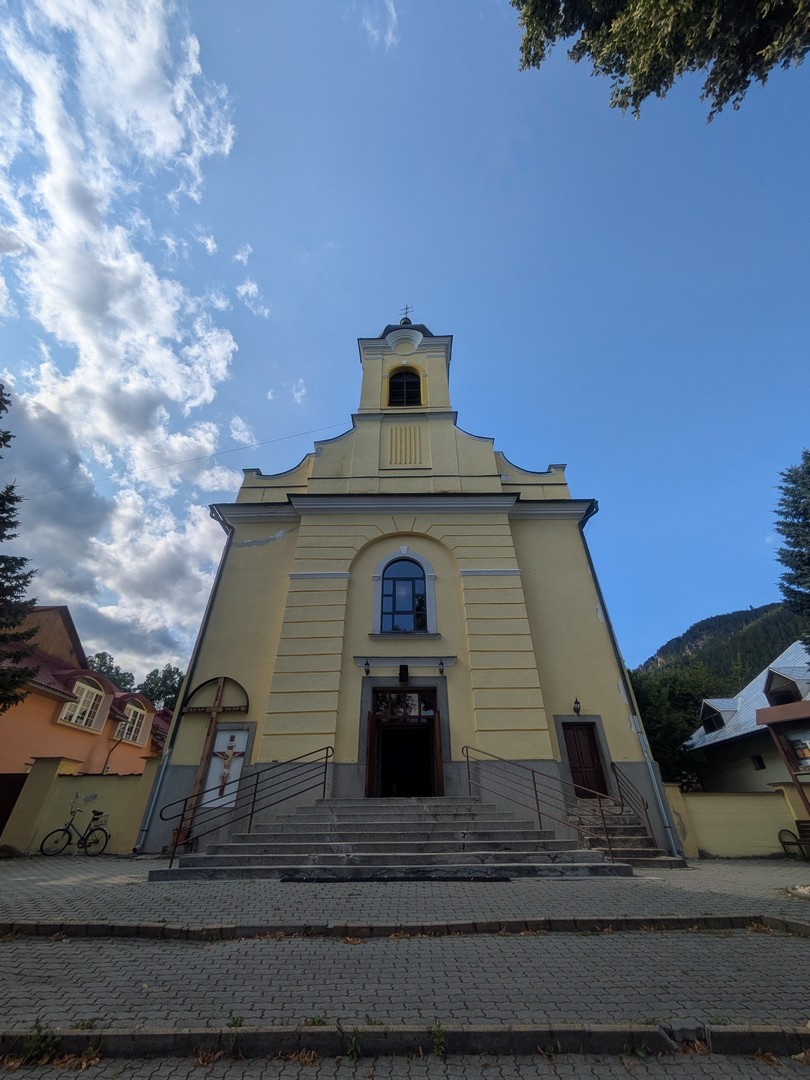
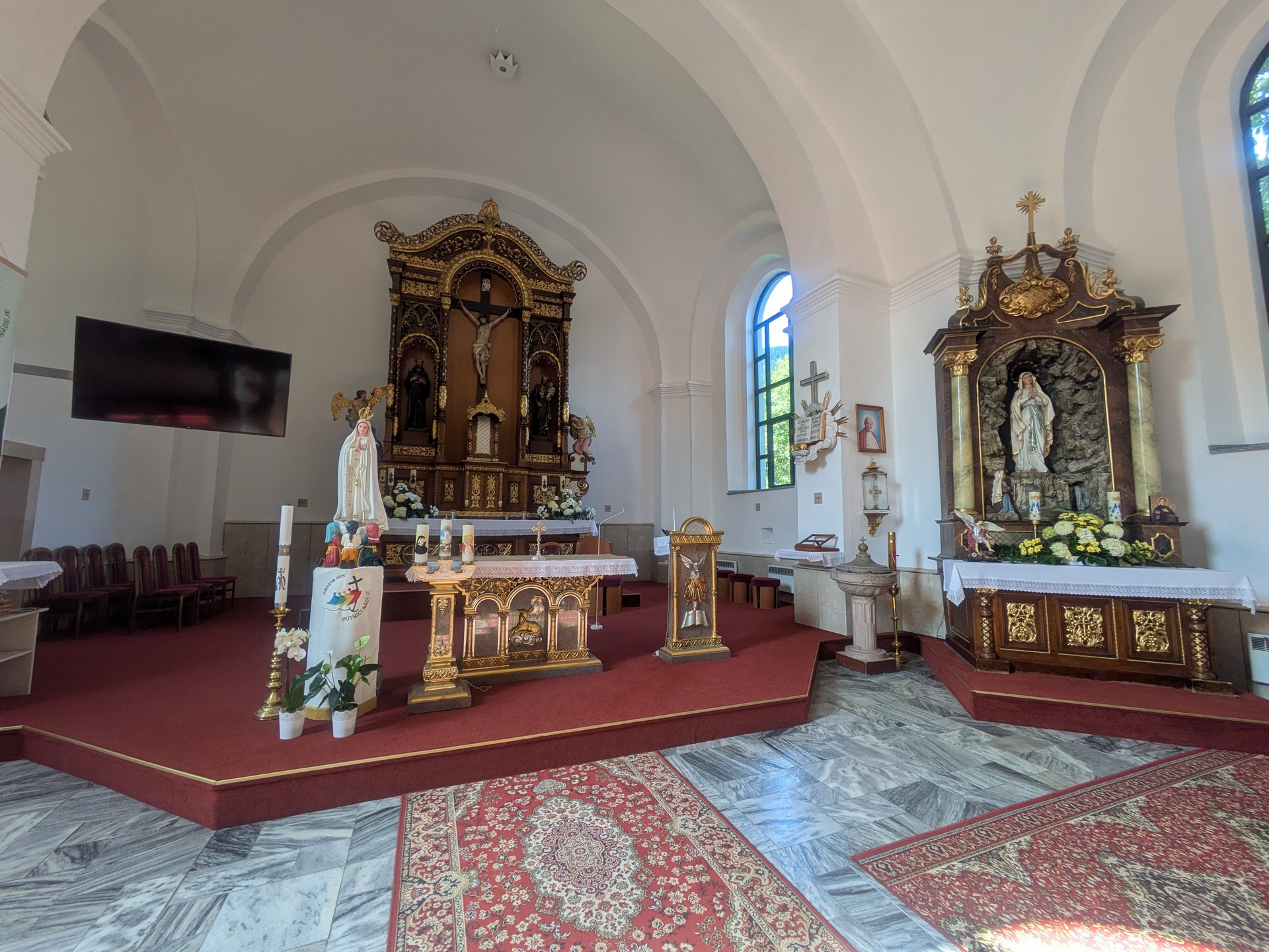
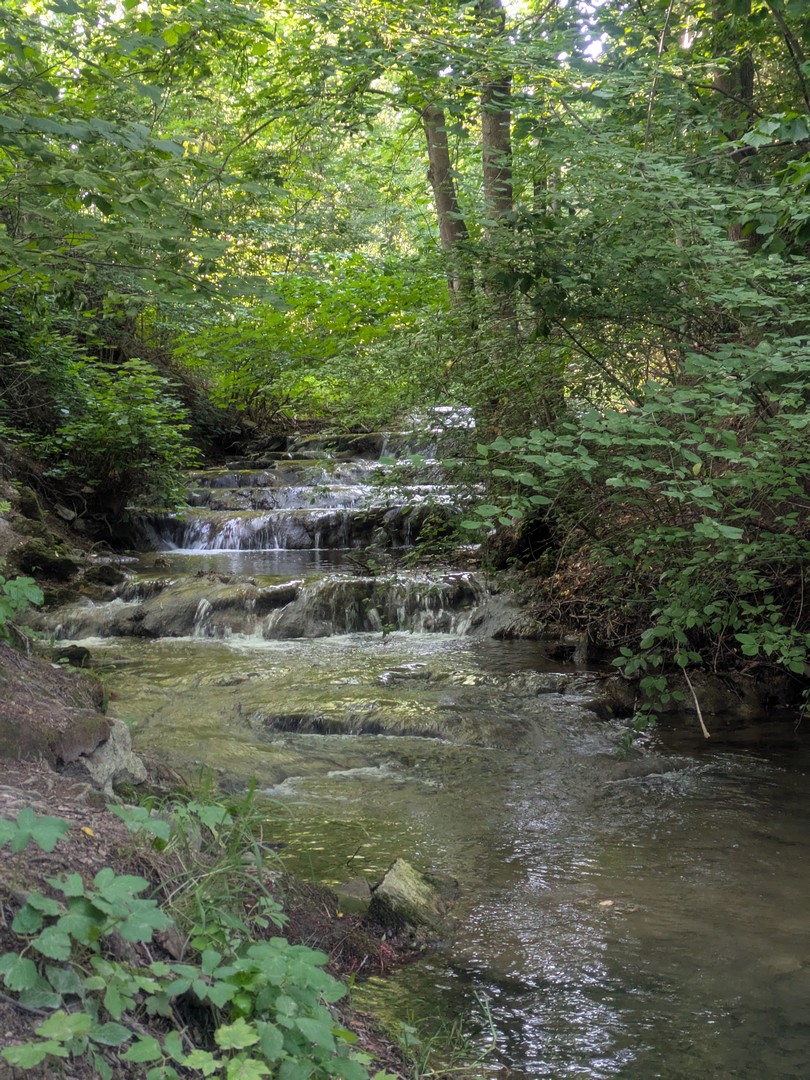
This route takes you to Lúčanský Waterfall and introduces you to the history and major events of the village, including a visit to the birthplace of Tadeáš Salva. You will see the Church of the Exaltation of the Holy Cross and the memorial house in the village centre, find out how travertine is formed, and visit the Markuška folklore amphitheatre and the travertine plateau, where an ancient hillfort once stood.
3. Combined Route
Duration: 2 hour Length: 2,5 km
This route brings together the two routes above.
On the tours of Lúčky Spa and the village of Lúčky, you will also discover that:
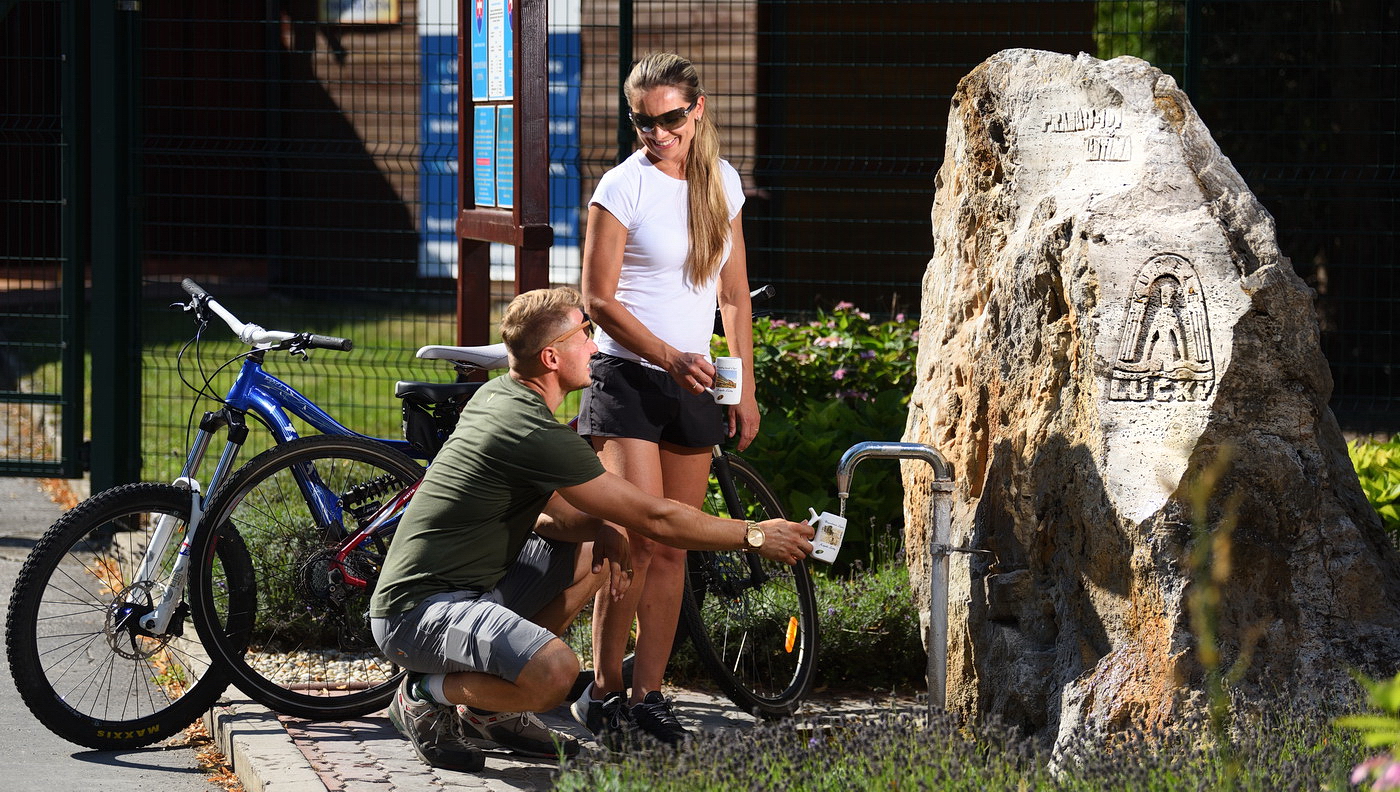
- over the centuries, the local thermal springs created layers of travertine 40–50 metres thick
- the spa was visited in 1726 by the well-known polymath Matej Bel, who was the first to mention its healing properties in his book
- in the 18th century, the spa had three types of pools: one for the gentry, one for peasants, and one for Jewish visitors
- in 1840, King Frederick Augustus II of Saxony visited the spa
- Michal Miloslav Hodža, a leading figure of the Slovak National Revival, took treatment here in 1853
- Lúčanský Waterfall is one of only five waterfalls in Slovakia to hold the title of National Natural Monument
- the well-known composer Tadeáš Salva was born in Lúčky
- from 1920, the village and the spa had their own lighting, generated by a small hydroelectric power plant
- the famous Slovak singer and actor František Krištof Veselý sang at the spa
- the popular poet Andrej Plávka, who came from nearby Liptovská Sielnica, was fond of visiting the spa and writing there
- for more than 800 years, the people of Lúčky made their living as raftsmen, floating timber down the River Váh as far as Komárno
- near the spa there is a travertine plateau where a hillfort stood 5,000 years ago
- Choč National Nature Reserve is part of the NATURA 2000 network, one of 473 sites of Community importance
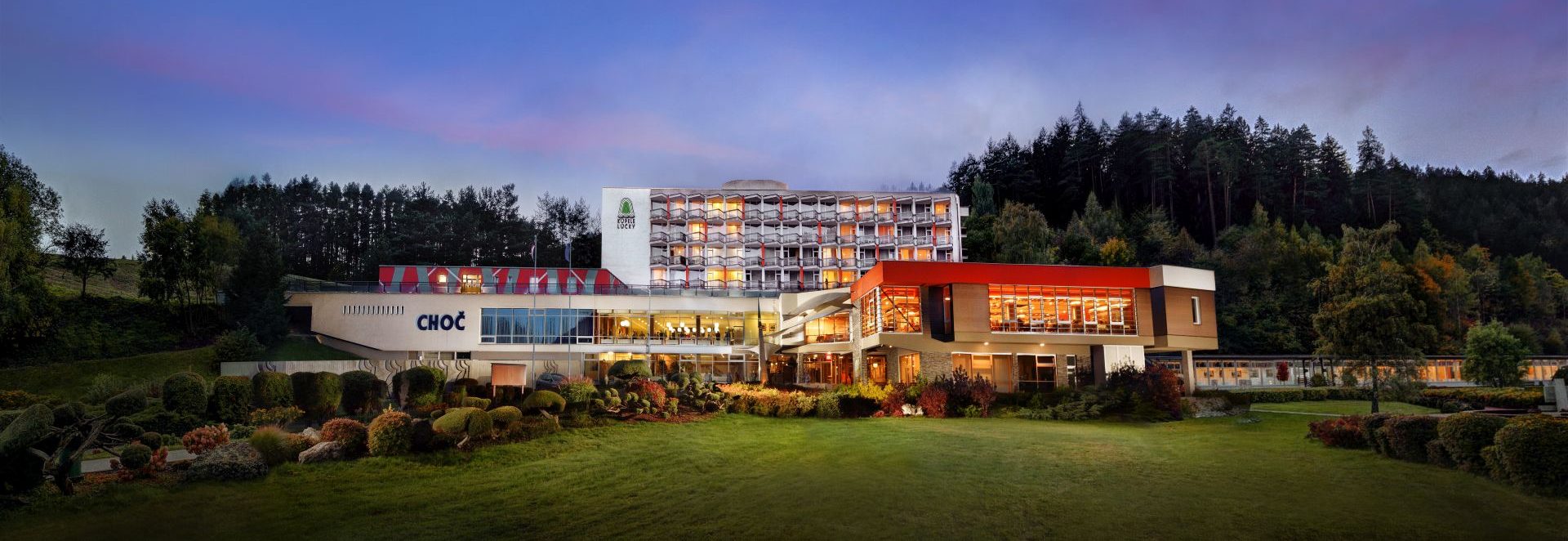
To find out more about this fascinating place, simply sign up at the reception of the Choč Spa Hotel. Tours take place every Thursday at 3.30 pm, or you can arrange an individual date and time by email or telephone:
- petramihok@gmail.com
- +421 910 123 407
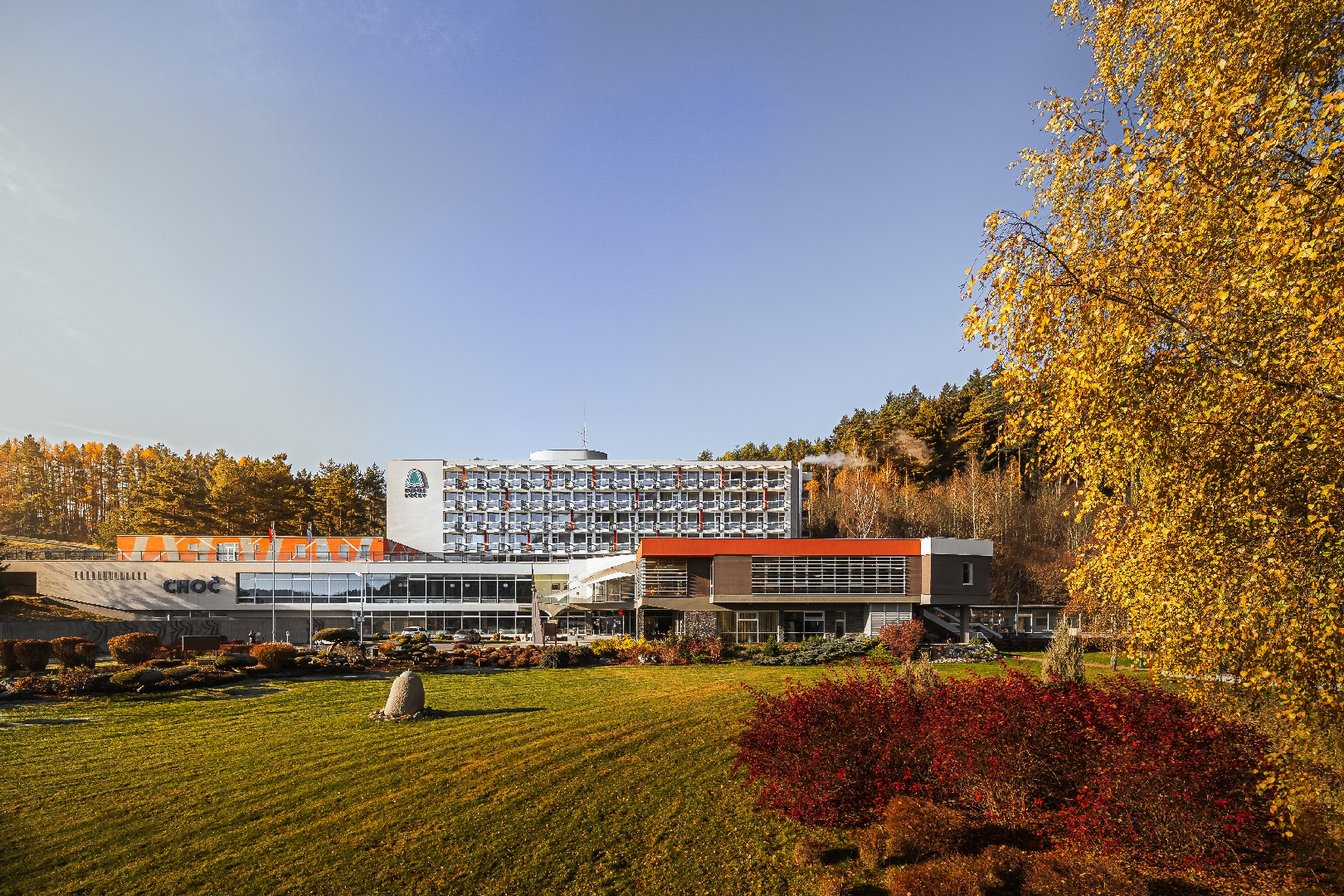
Rounding off with a few tips from VisitLiptov
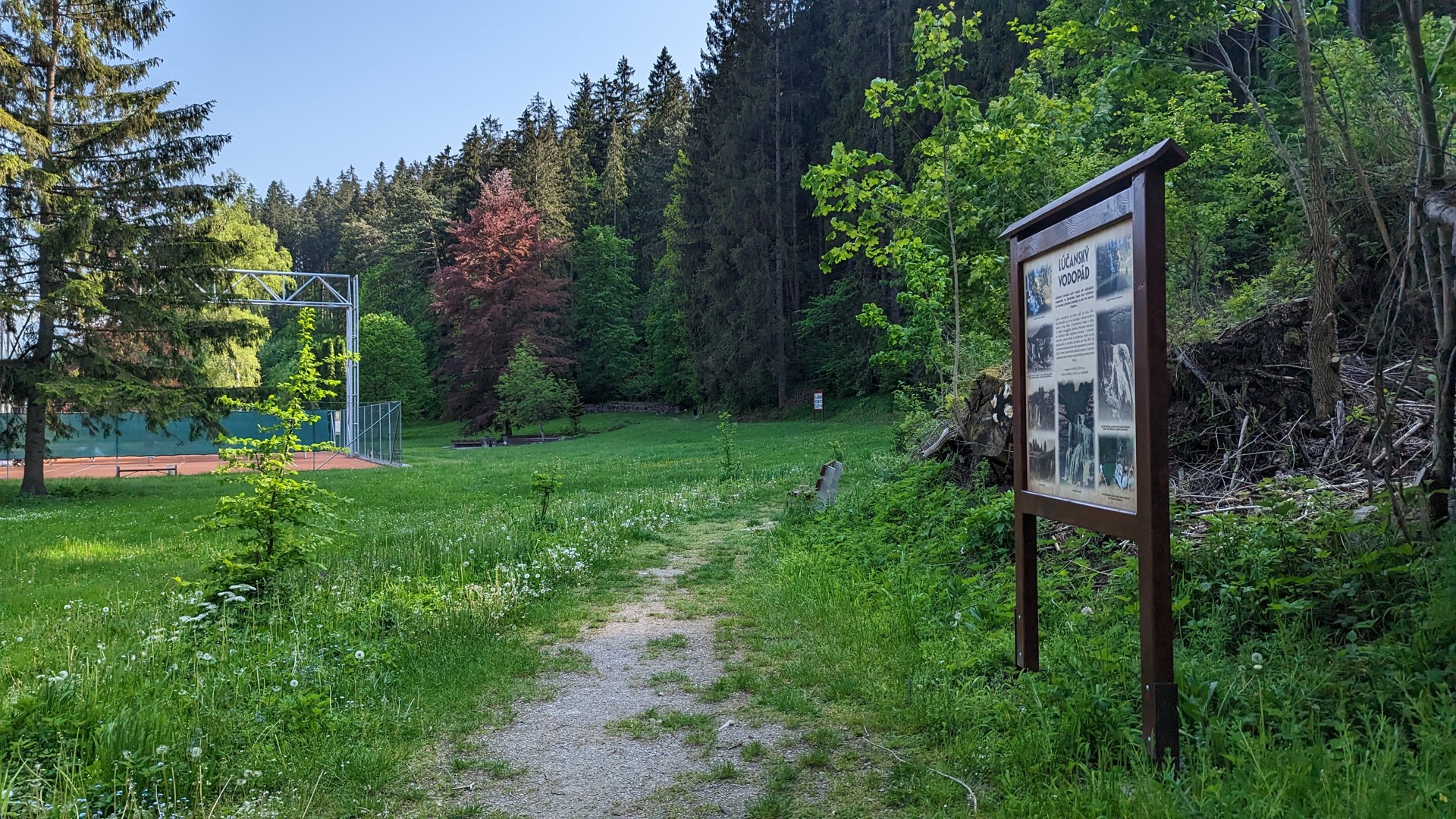
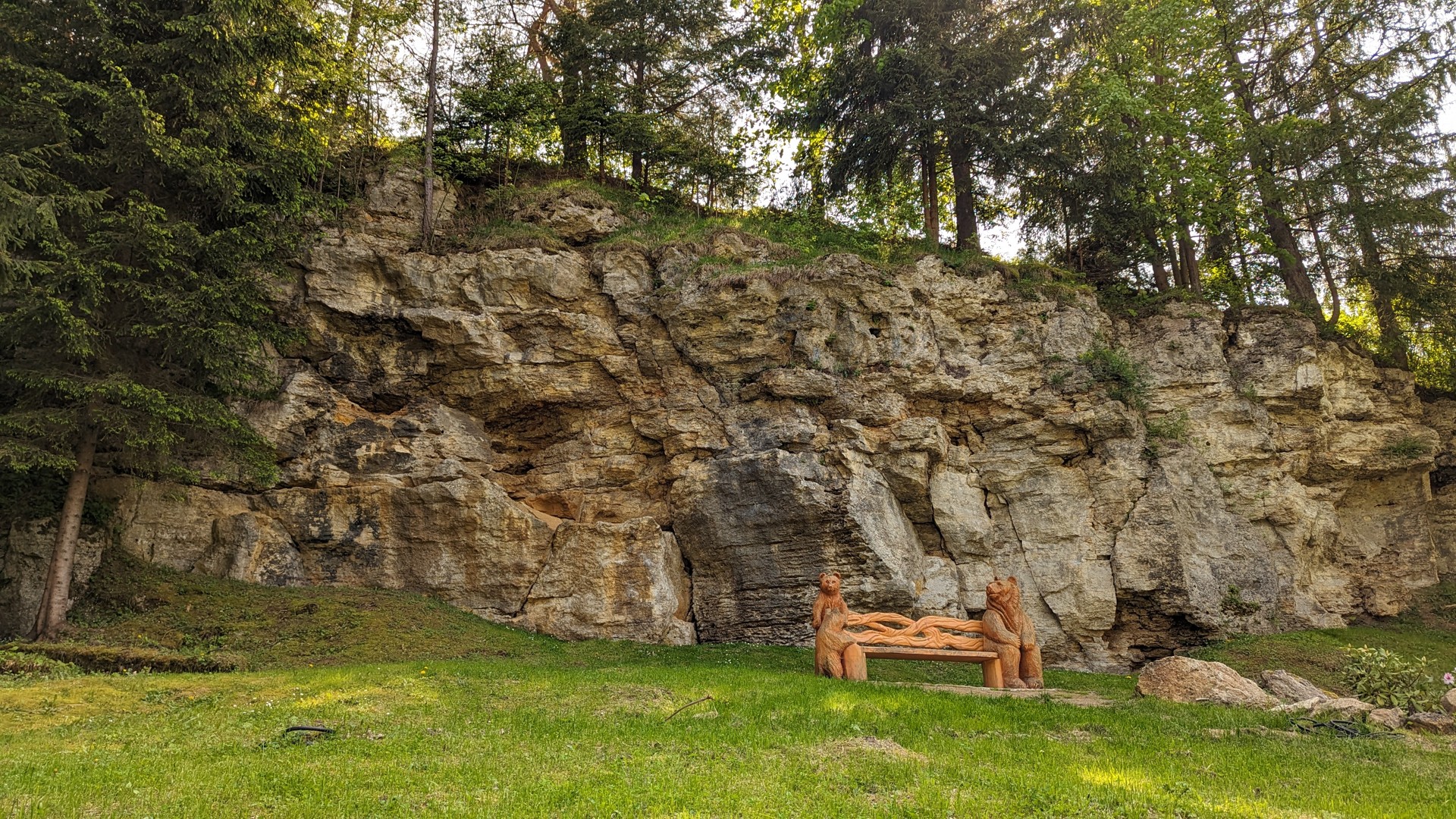
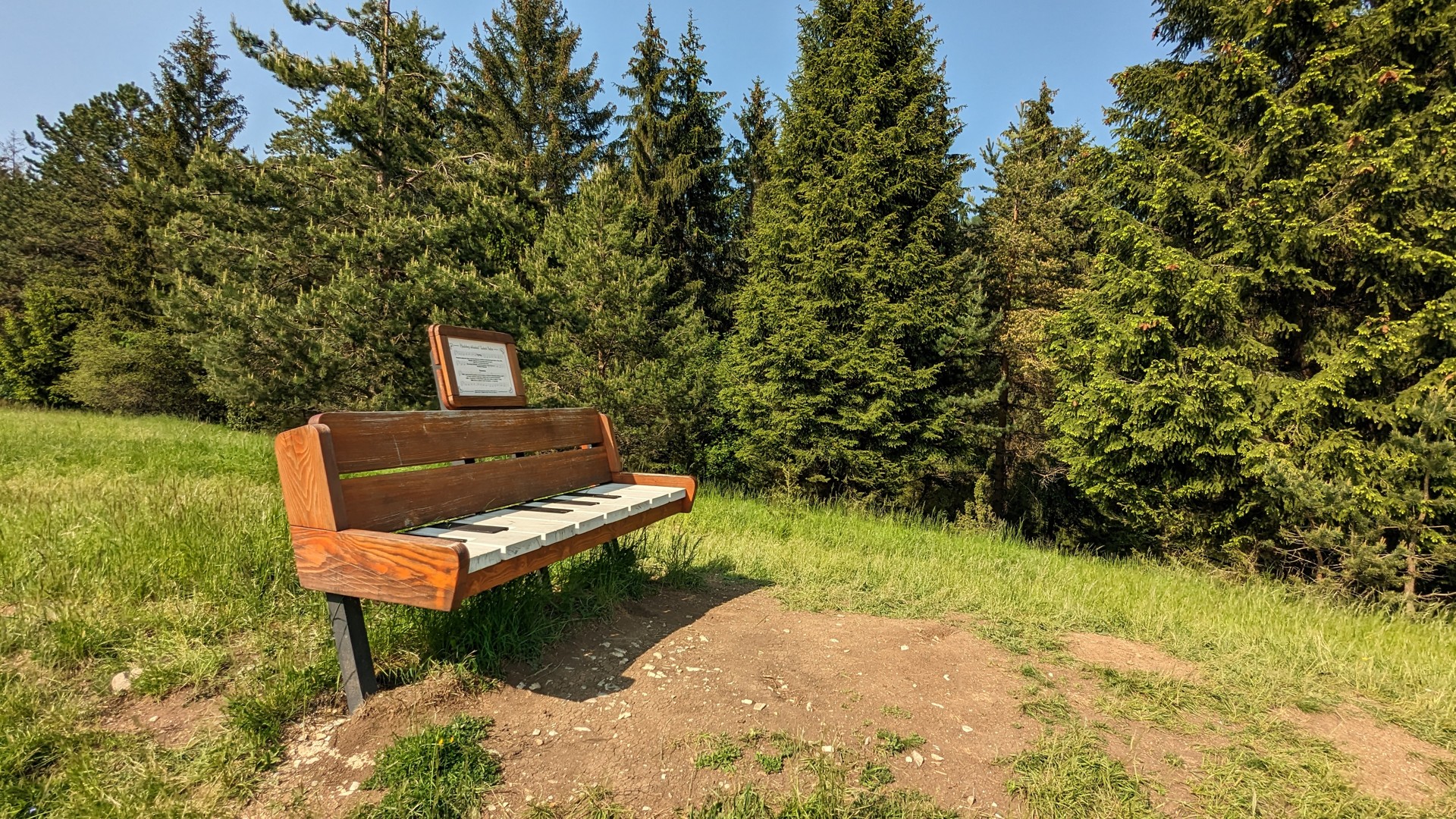
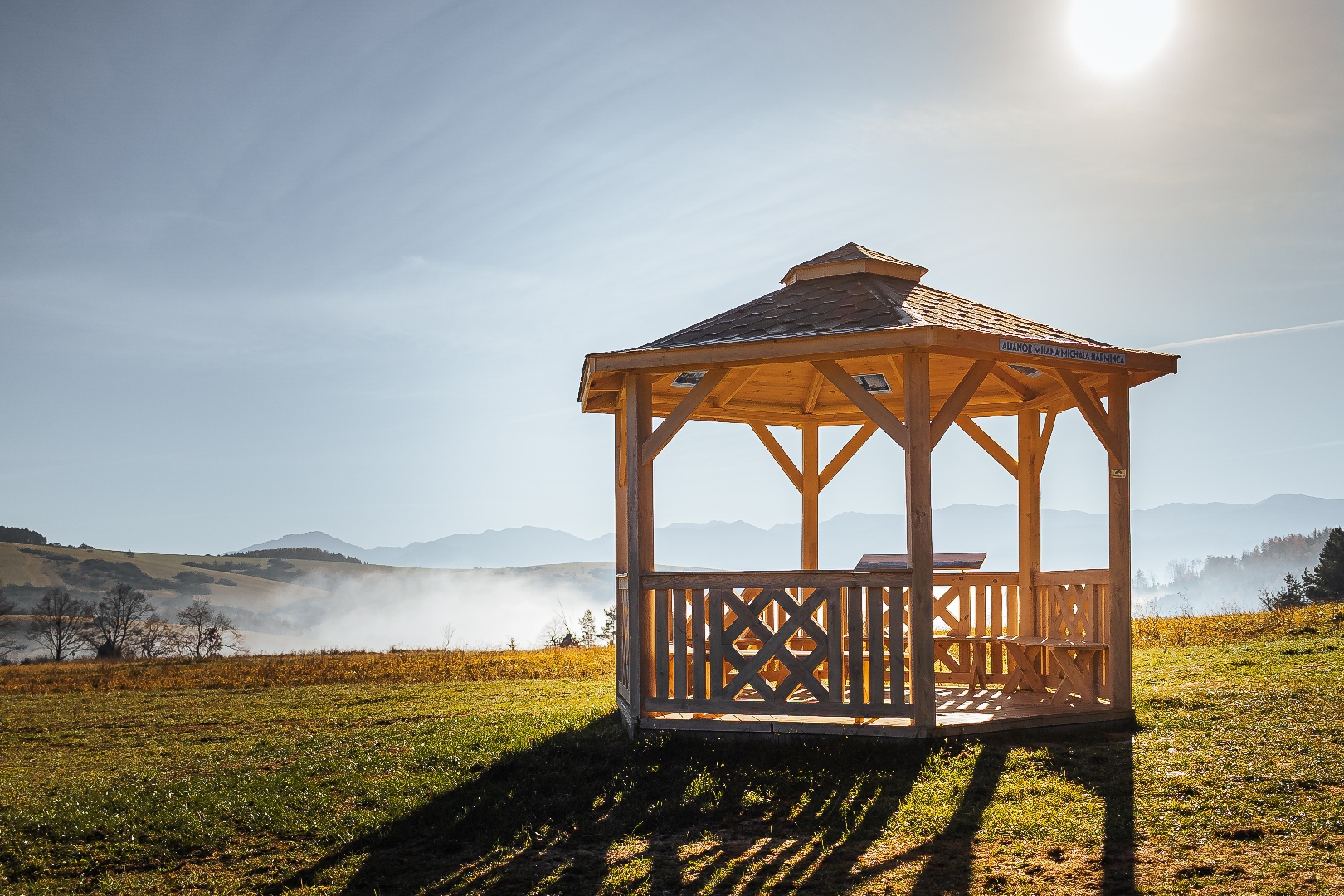
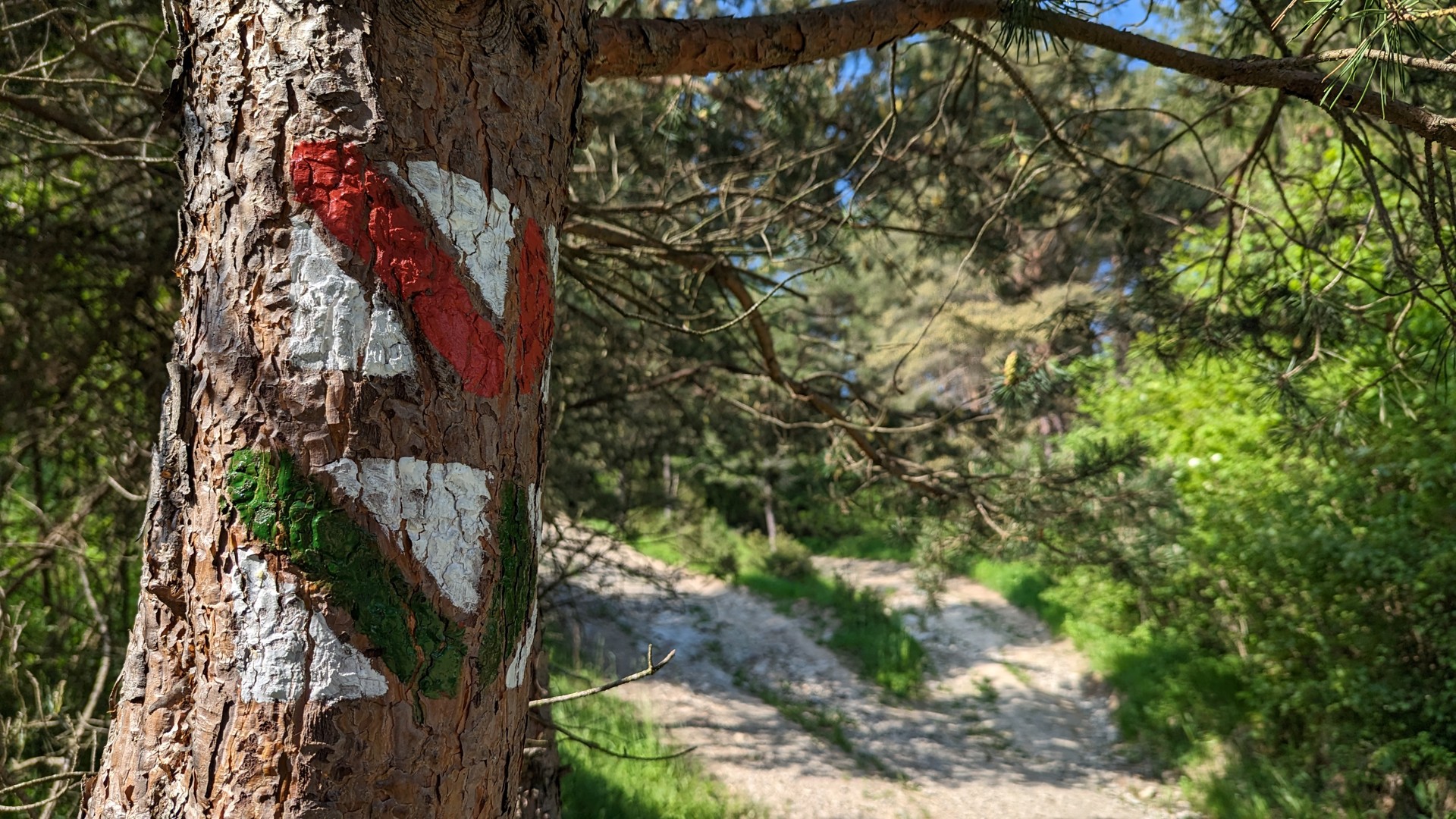
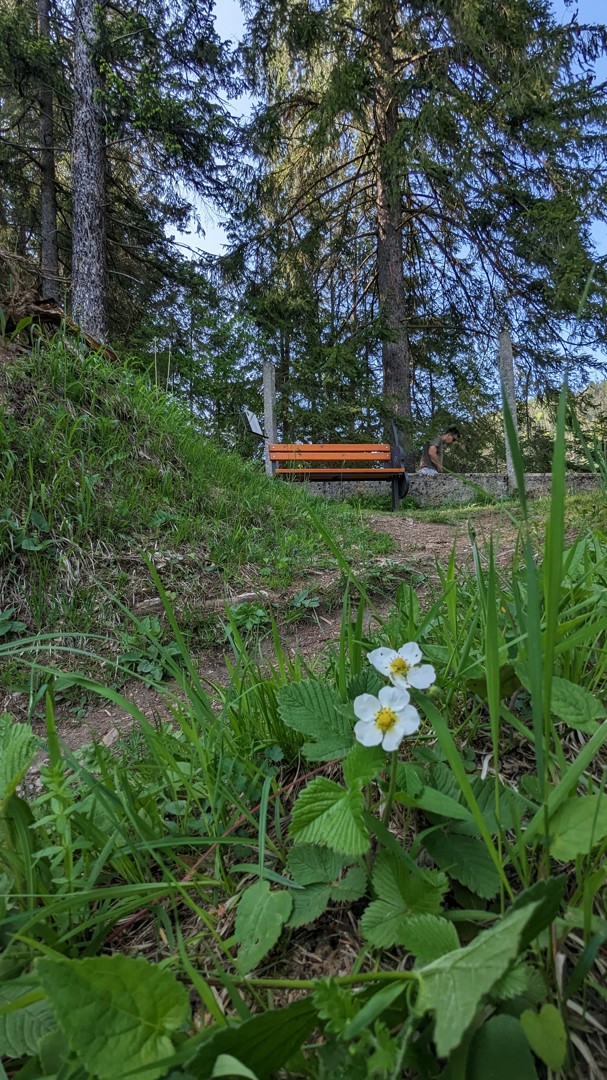
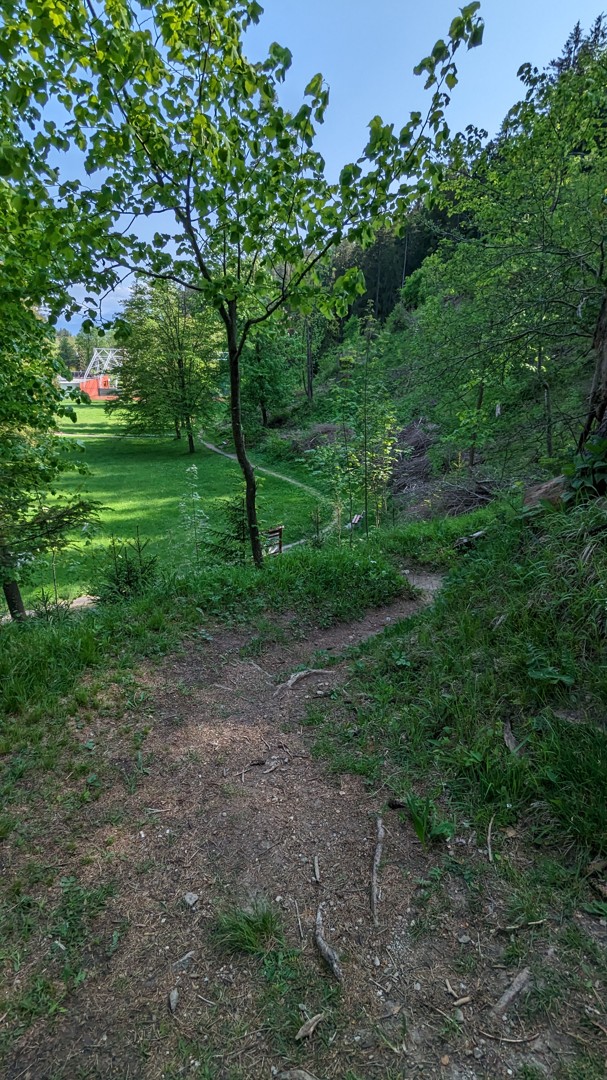
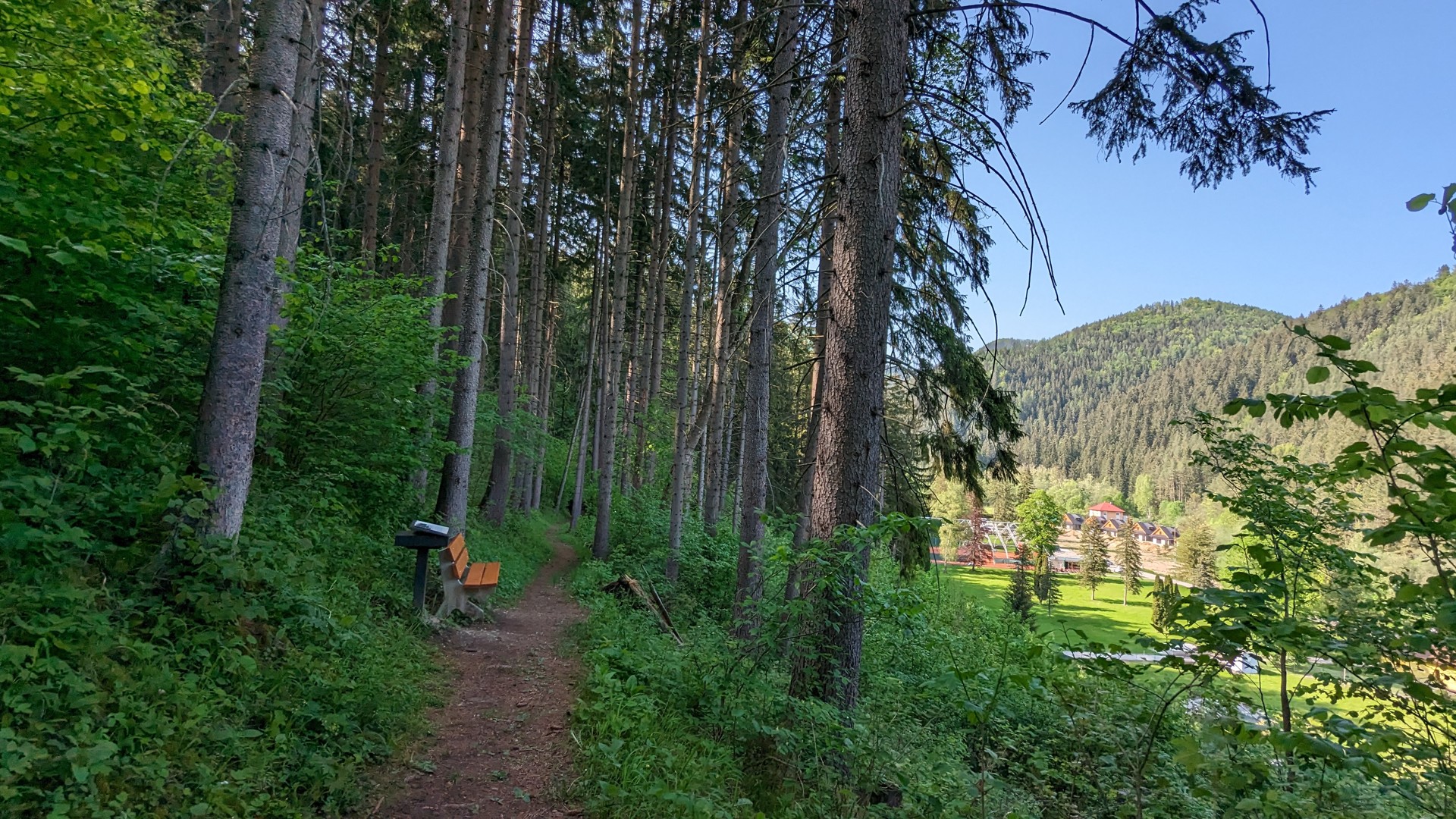

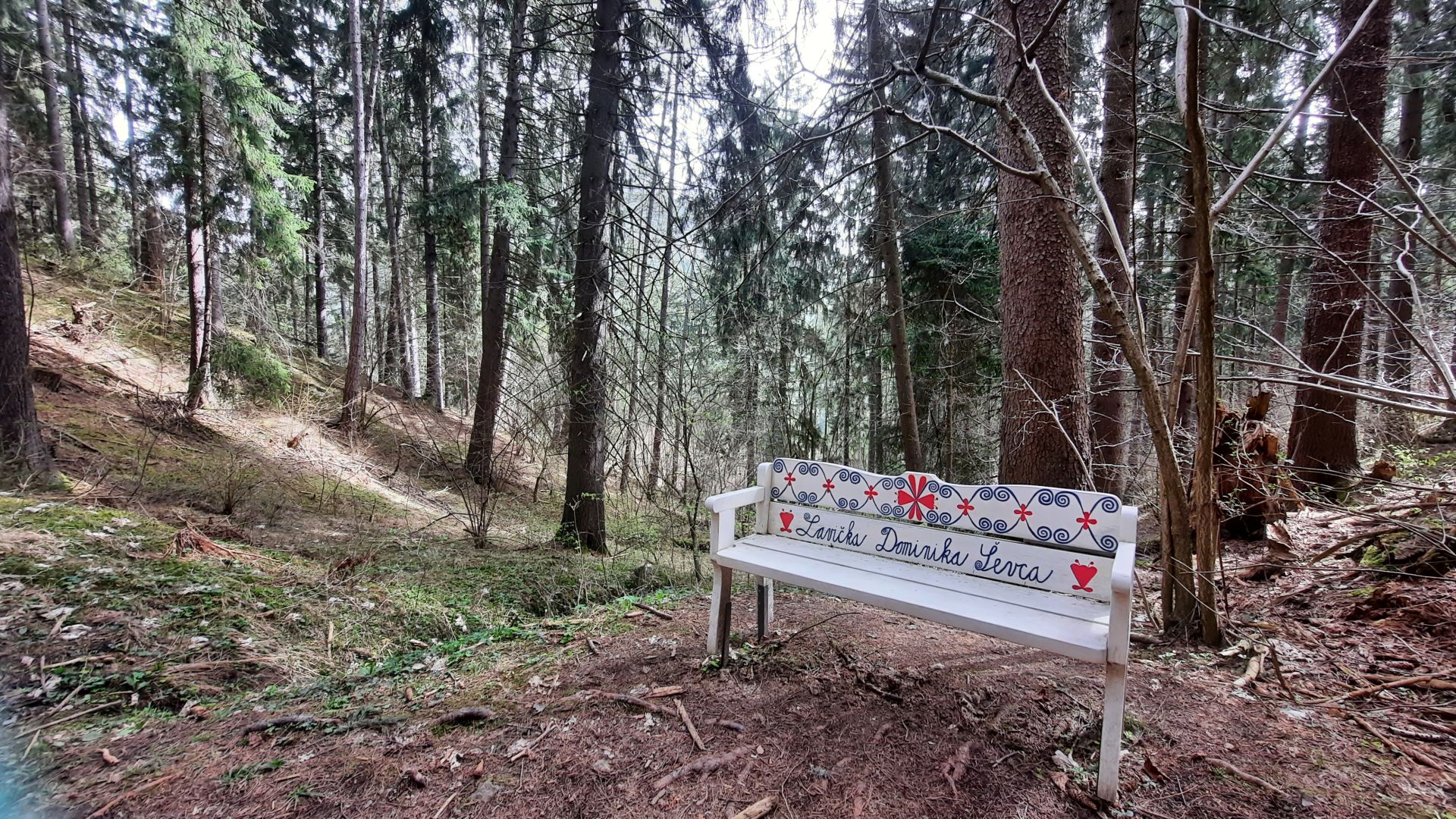
Take a short walk along the Artists’ Trail!
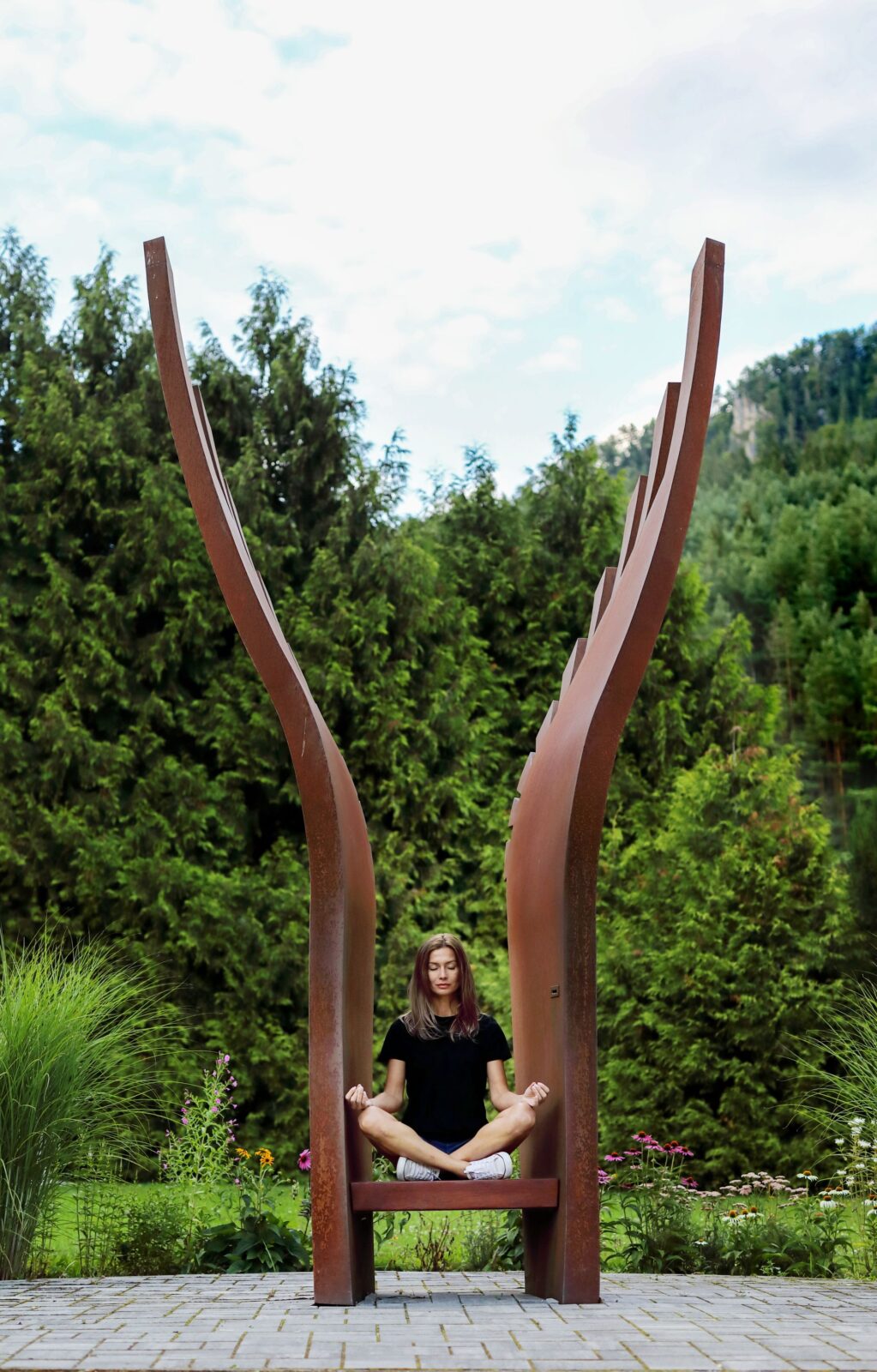
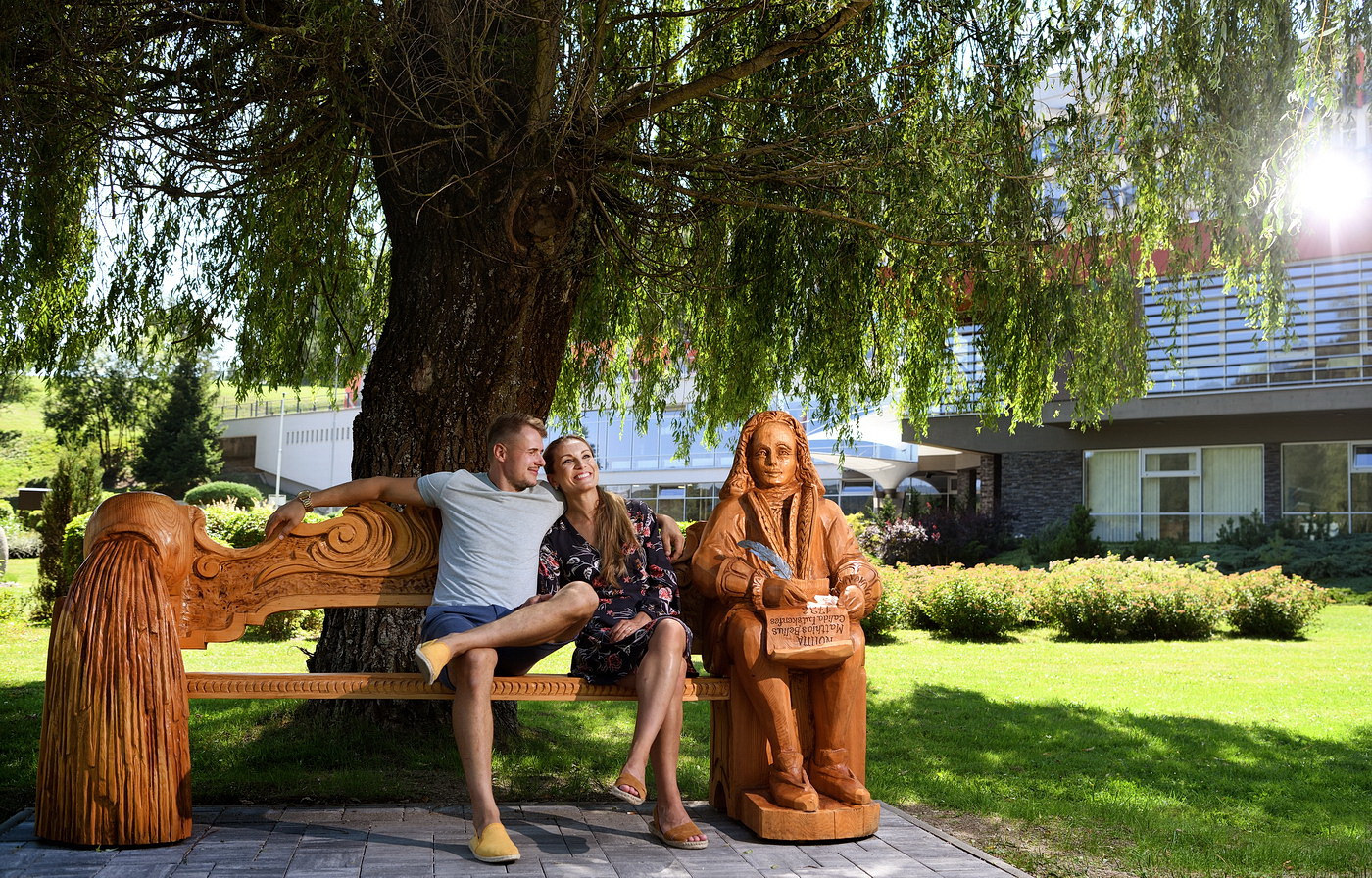
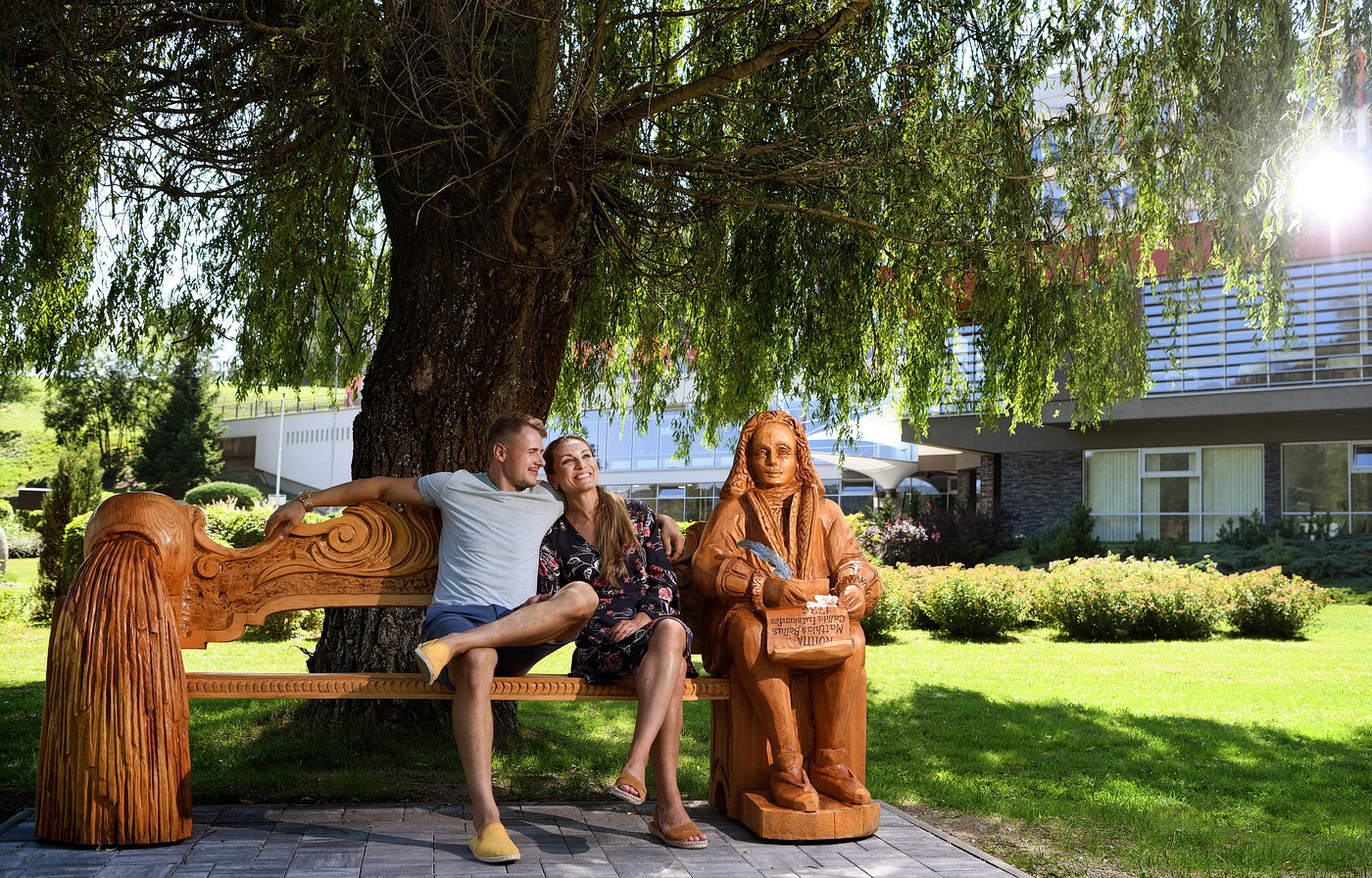
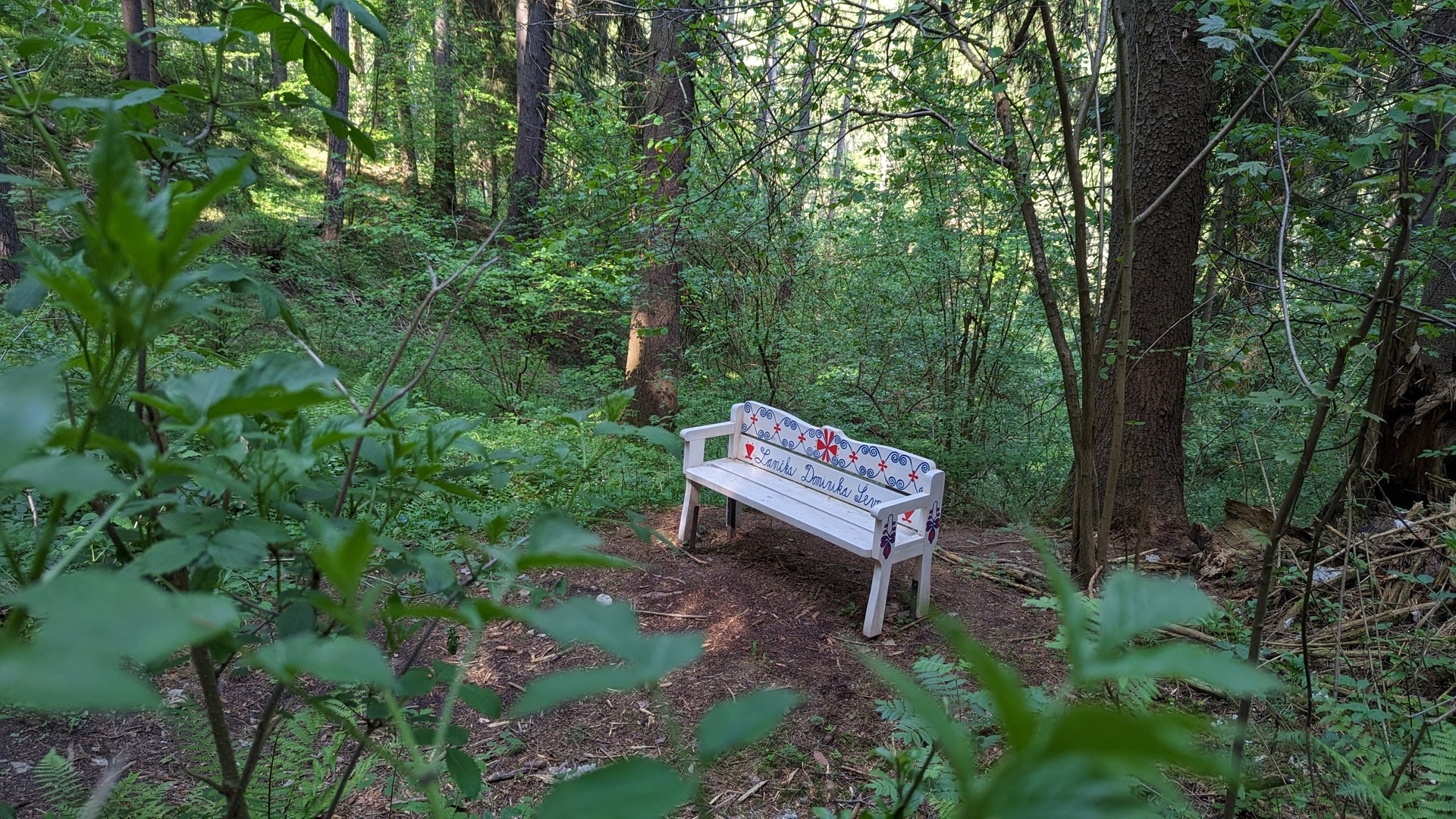
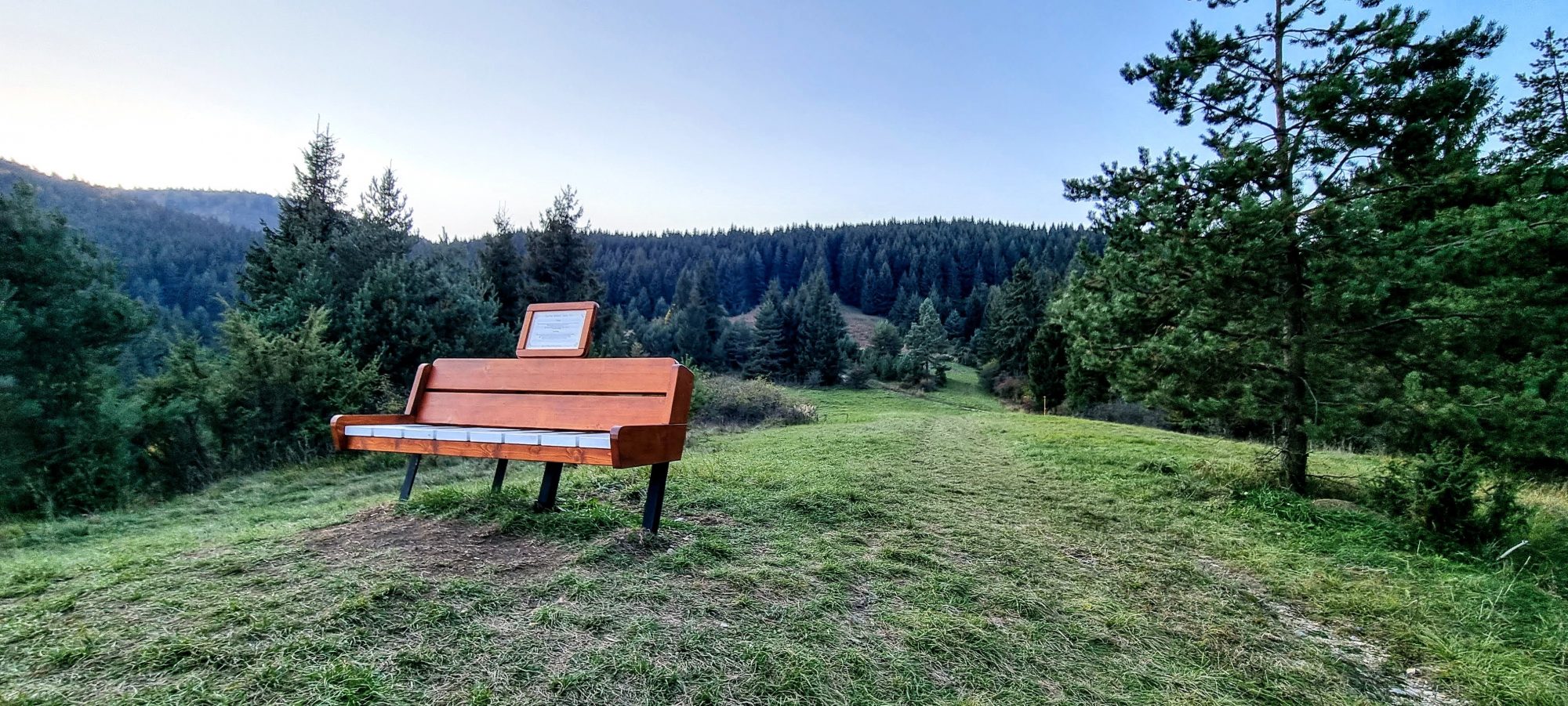
Running behind the Choč Spa Hotel, the trail is dedicated to well-known artists associated with Lúčky. The gazebo commemorates Milan Michal Harminc, the renowned architect who designed Dependance Liptov, while the artistic benches honour Tadeáš Salva, the well-known composer and Lúčky native, and Jožko Piťo, one of Slovakia’s best-known lead folk violinists, who regularly played in Lúčky and contributed to the development of Slovak folk music.
The trail is a network of forest paths forming two basic circuits:
- Route A – 1 310 m
- Route B – 1 350 m
Both circuits can be extended by a further 600 metres by joining a pleasant forest path leading to Jožko Piťo’s bench and the local waterworks. In addition to starting point 1, the individual circuits can also be joined at points 4, 7, and 10.